Testing for COVID-19 underway across Roma settlements for third day, 244 SVK nationals returning from abroad have been tested in first two days
- Author:
- Photo:
- Date: 05.04.2020
- Share: Zdieľať na Facebook
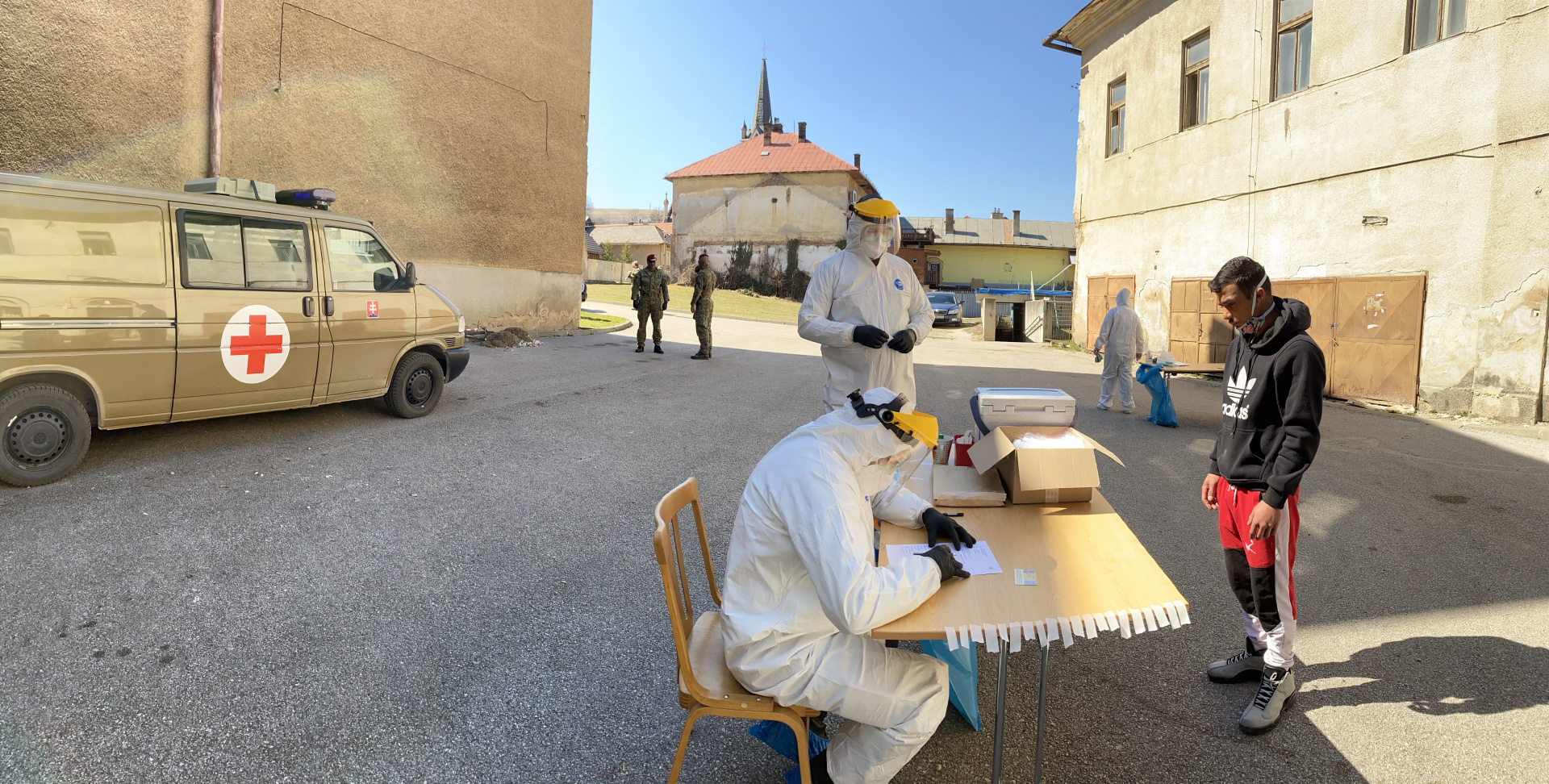
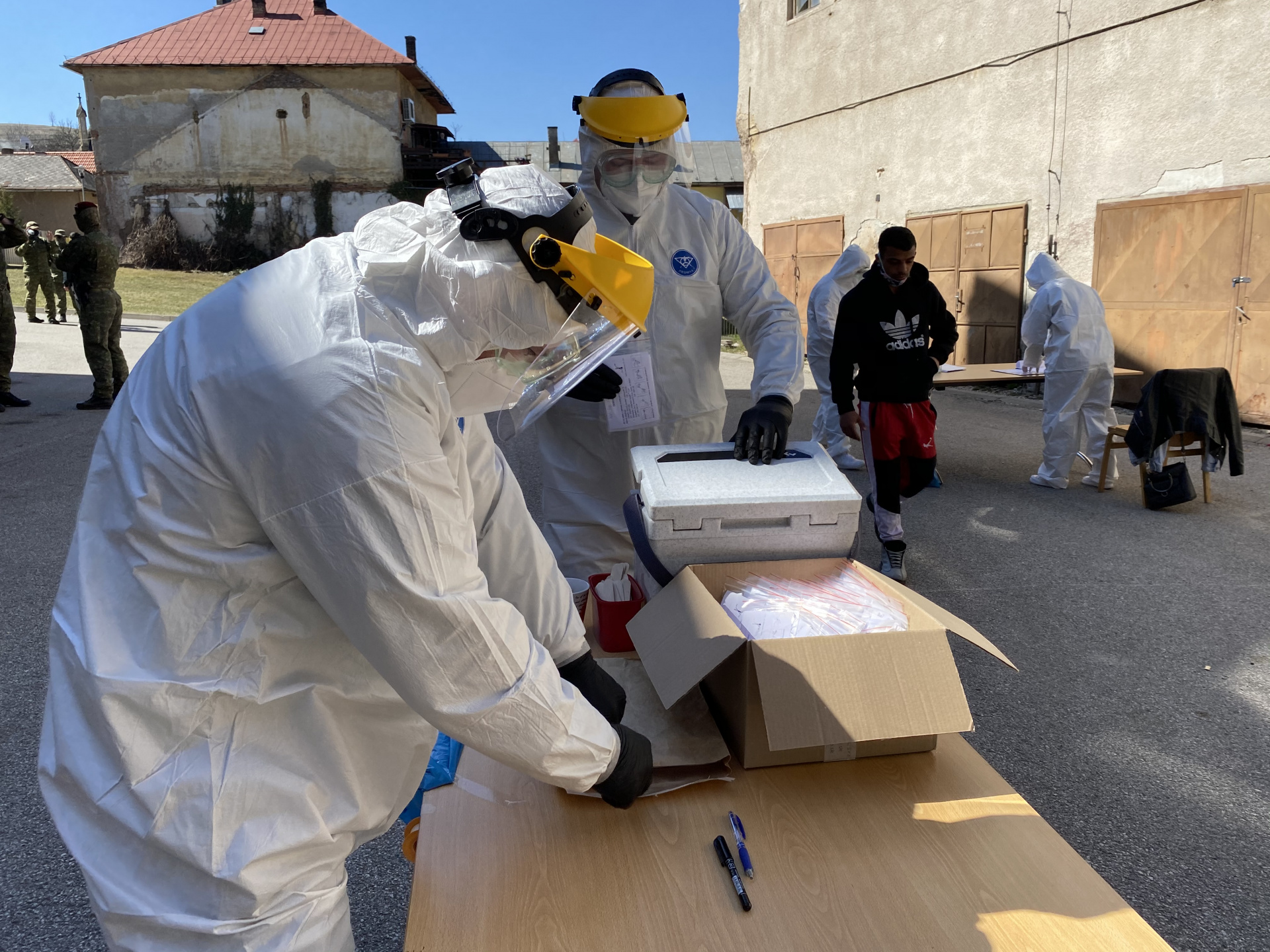
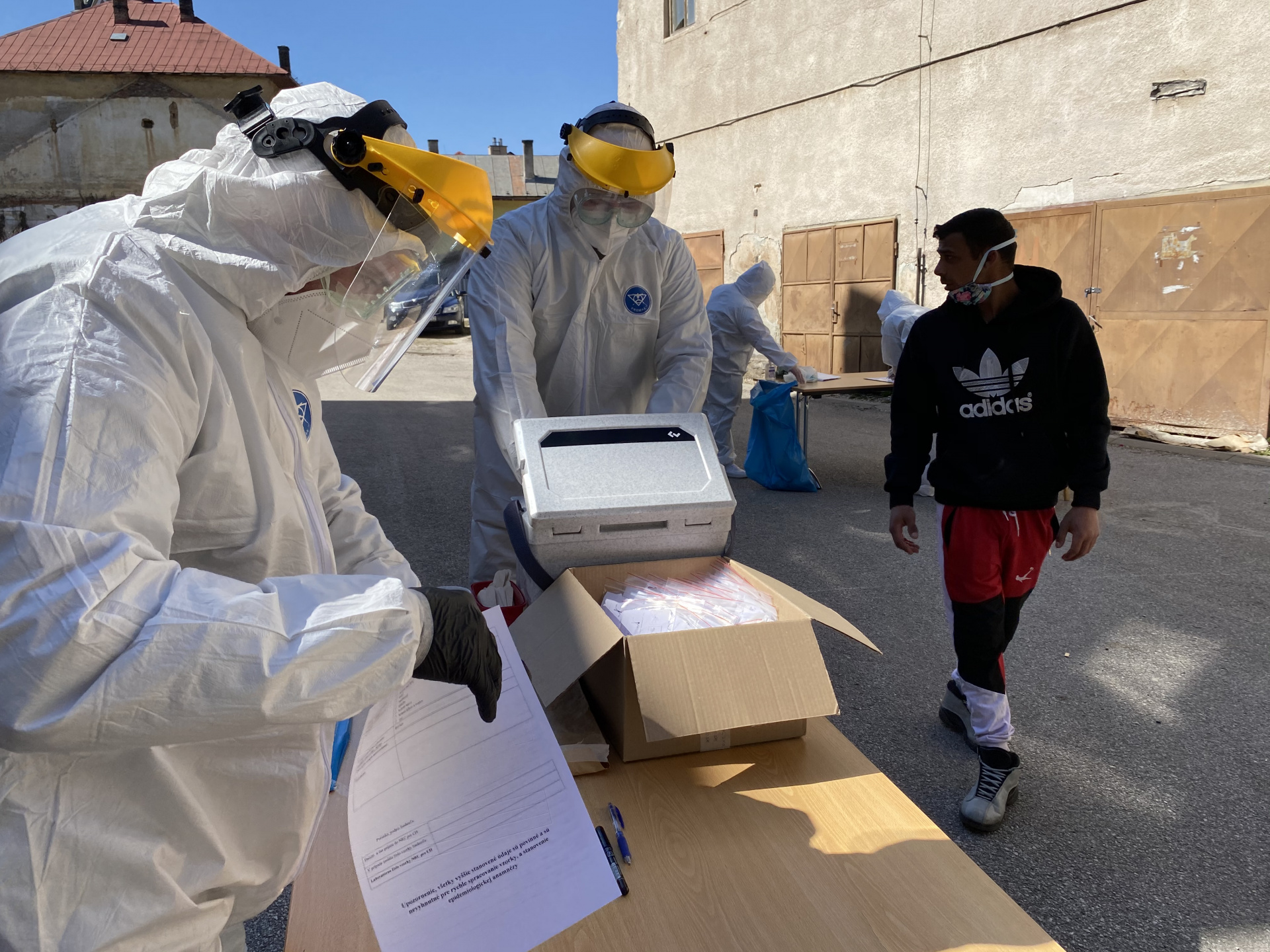
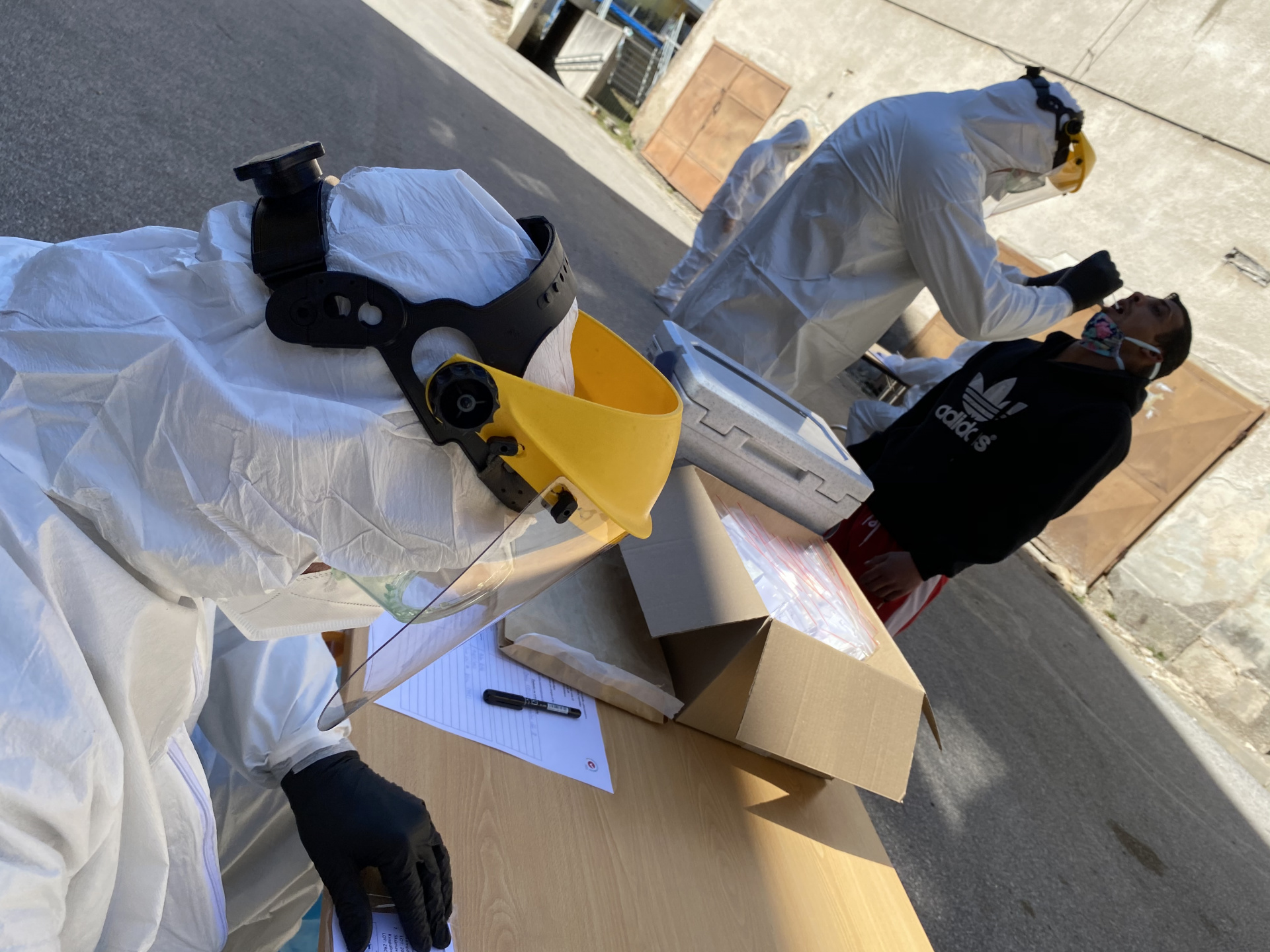
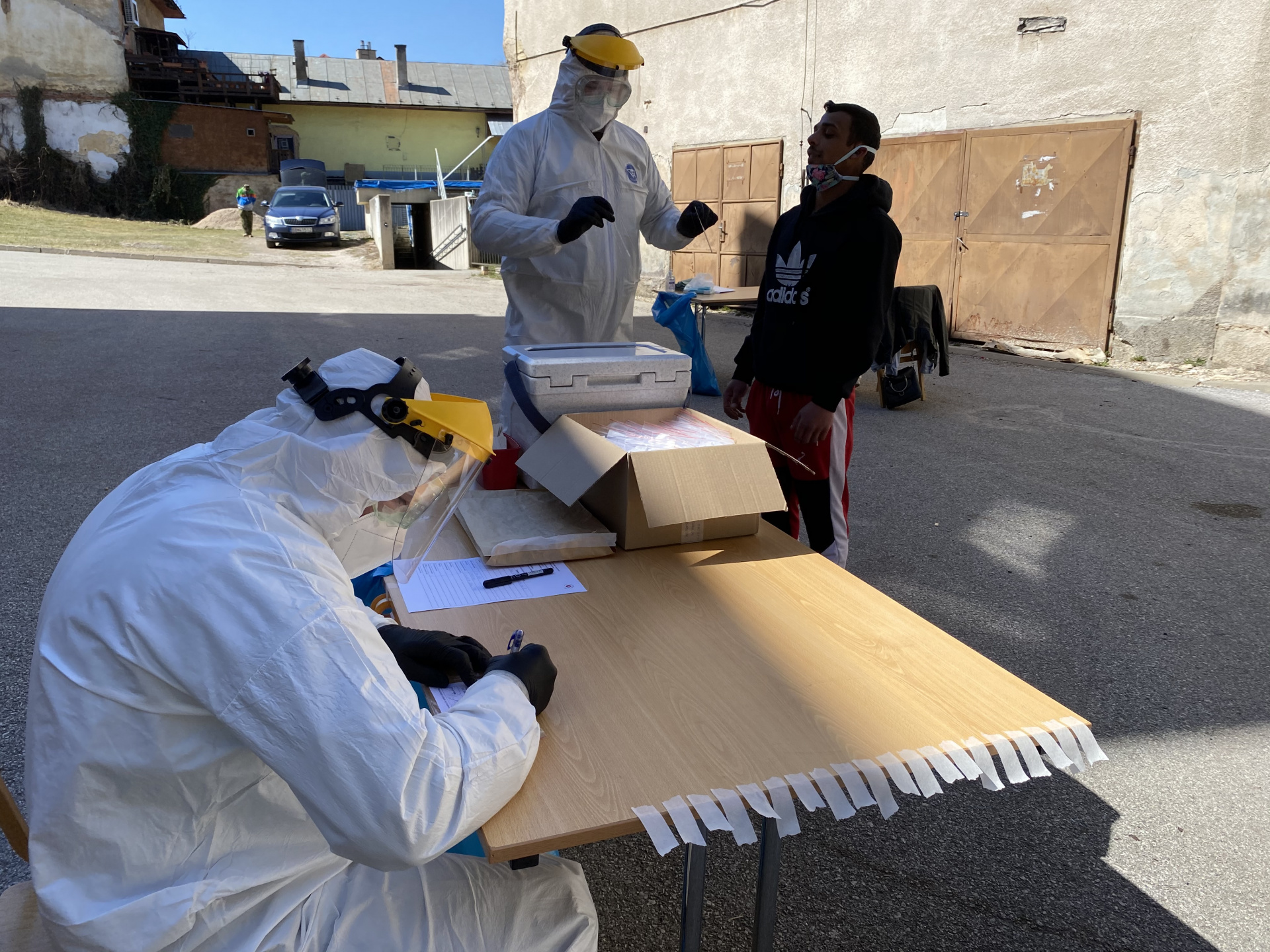
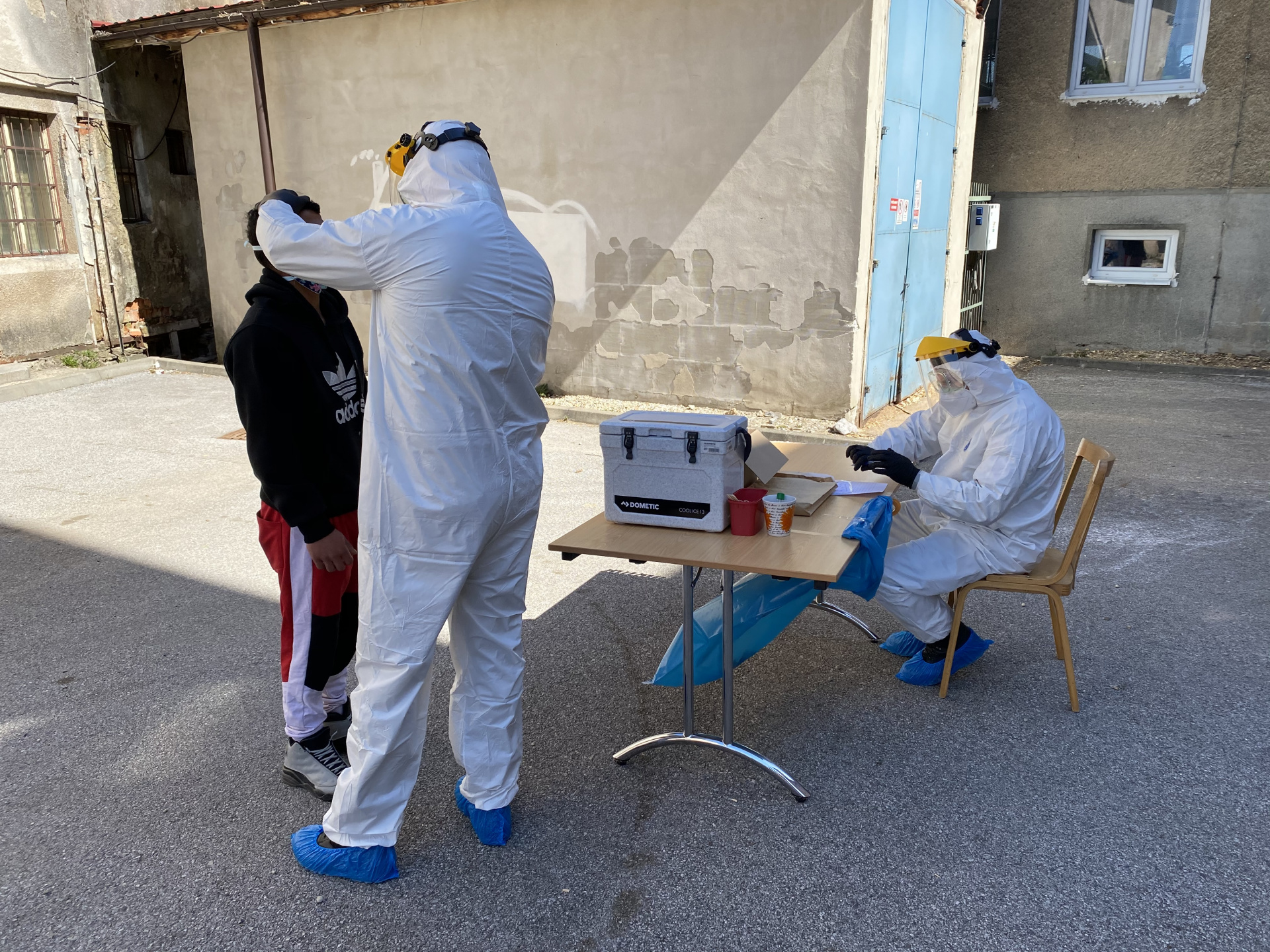
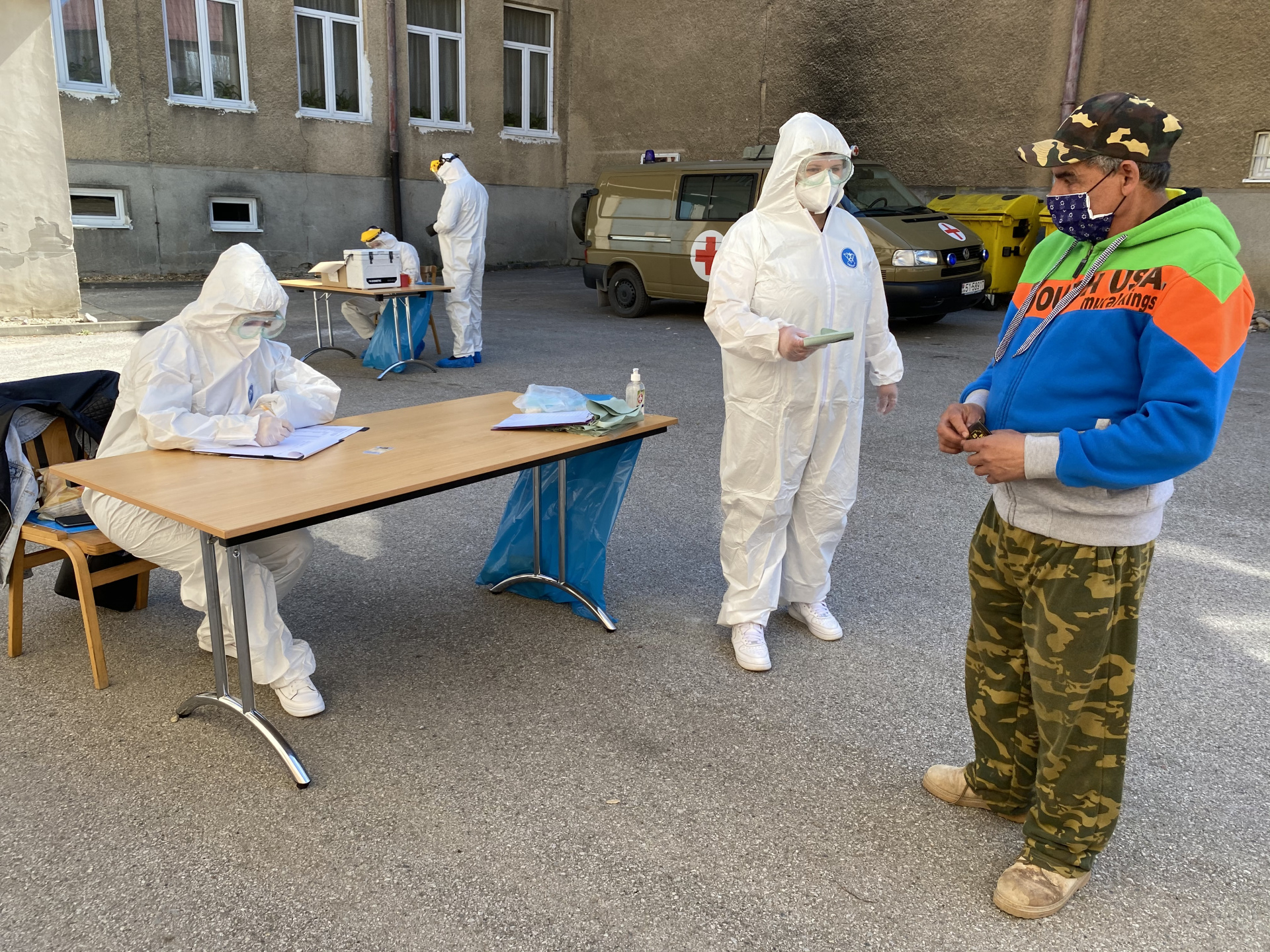
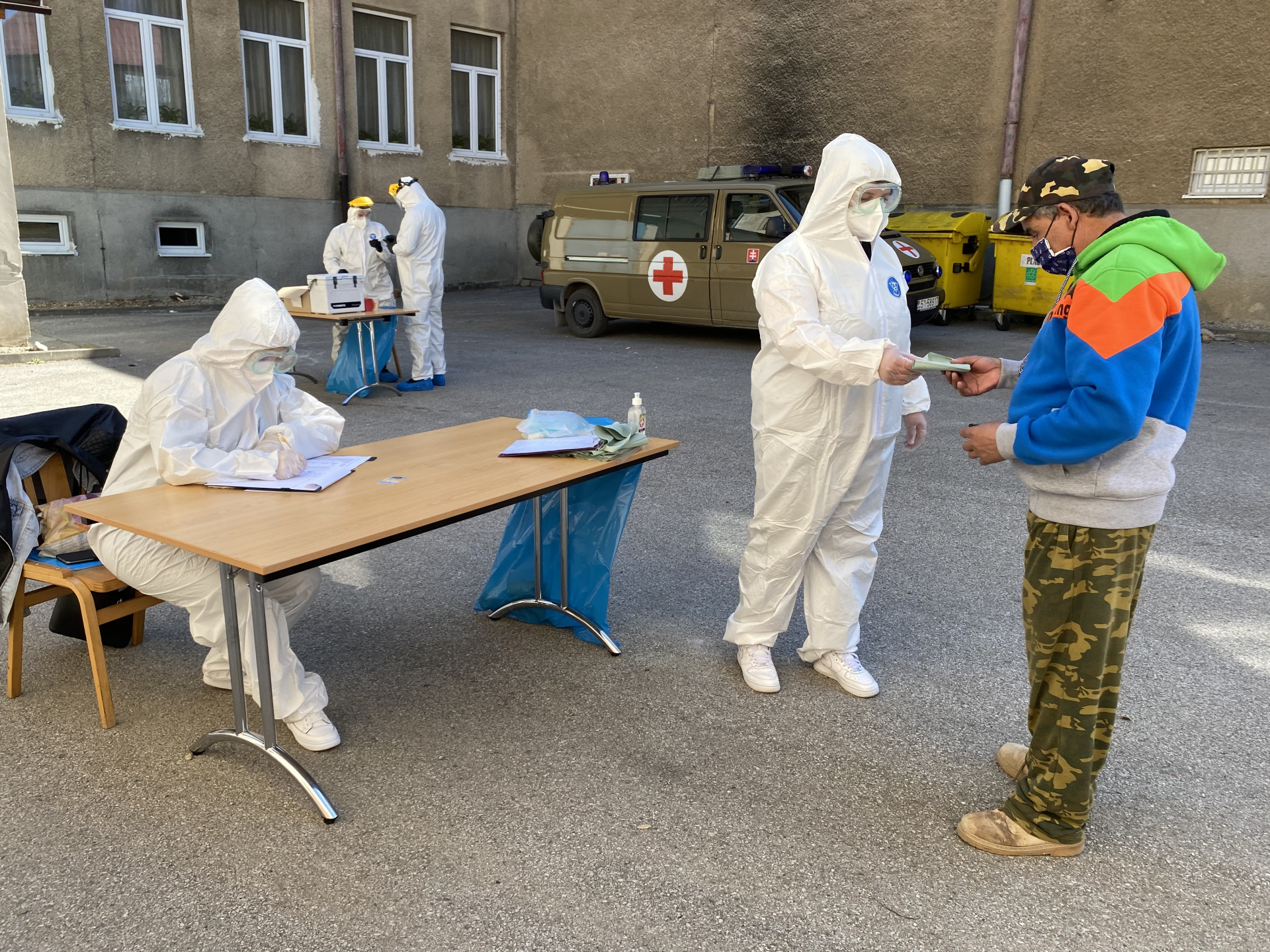
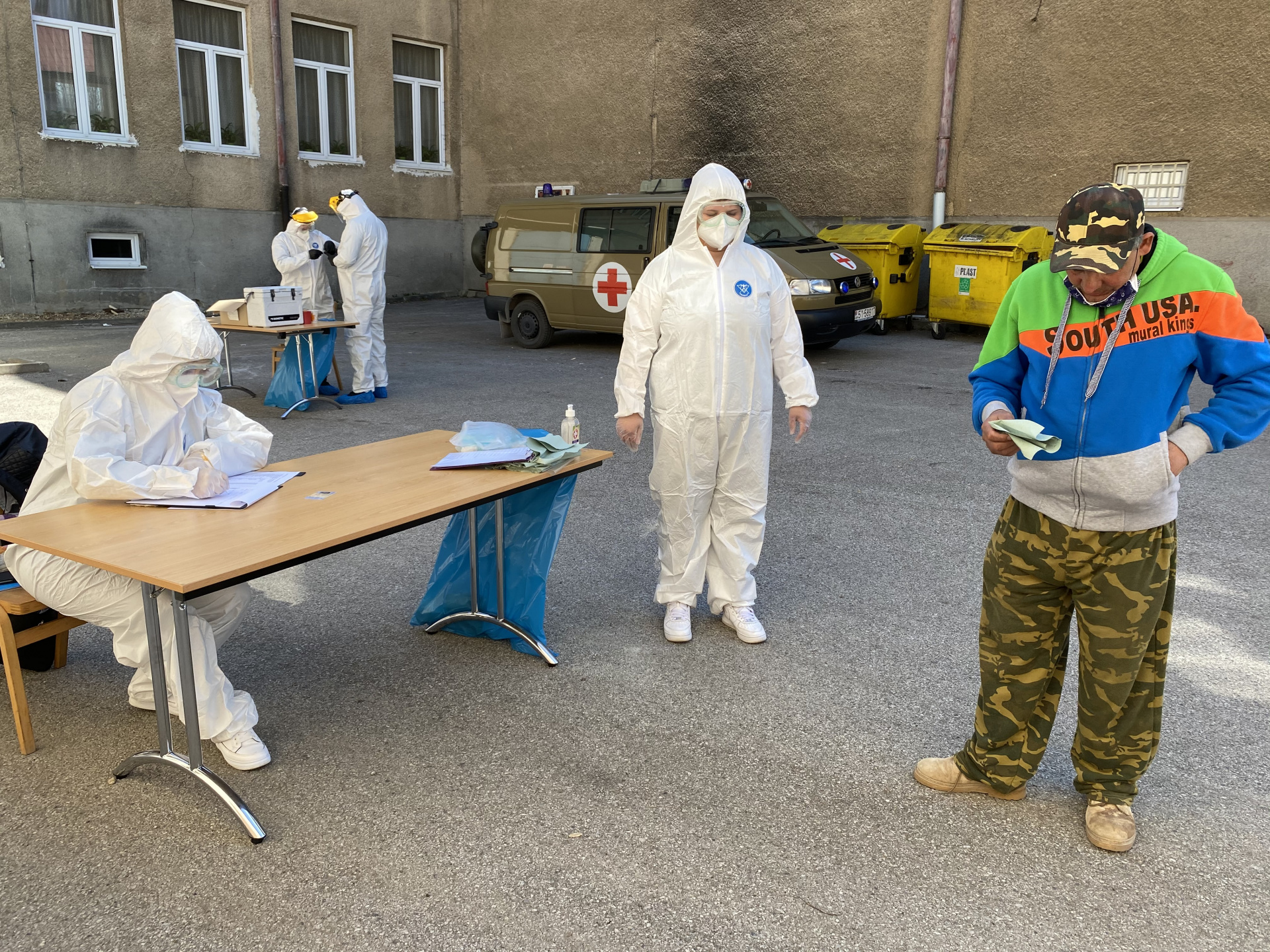
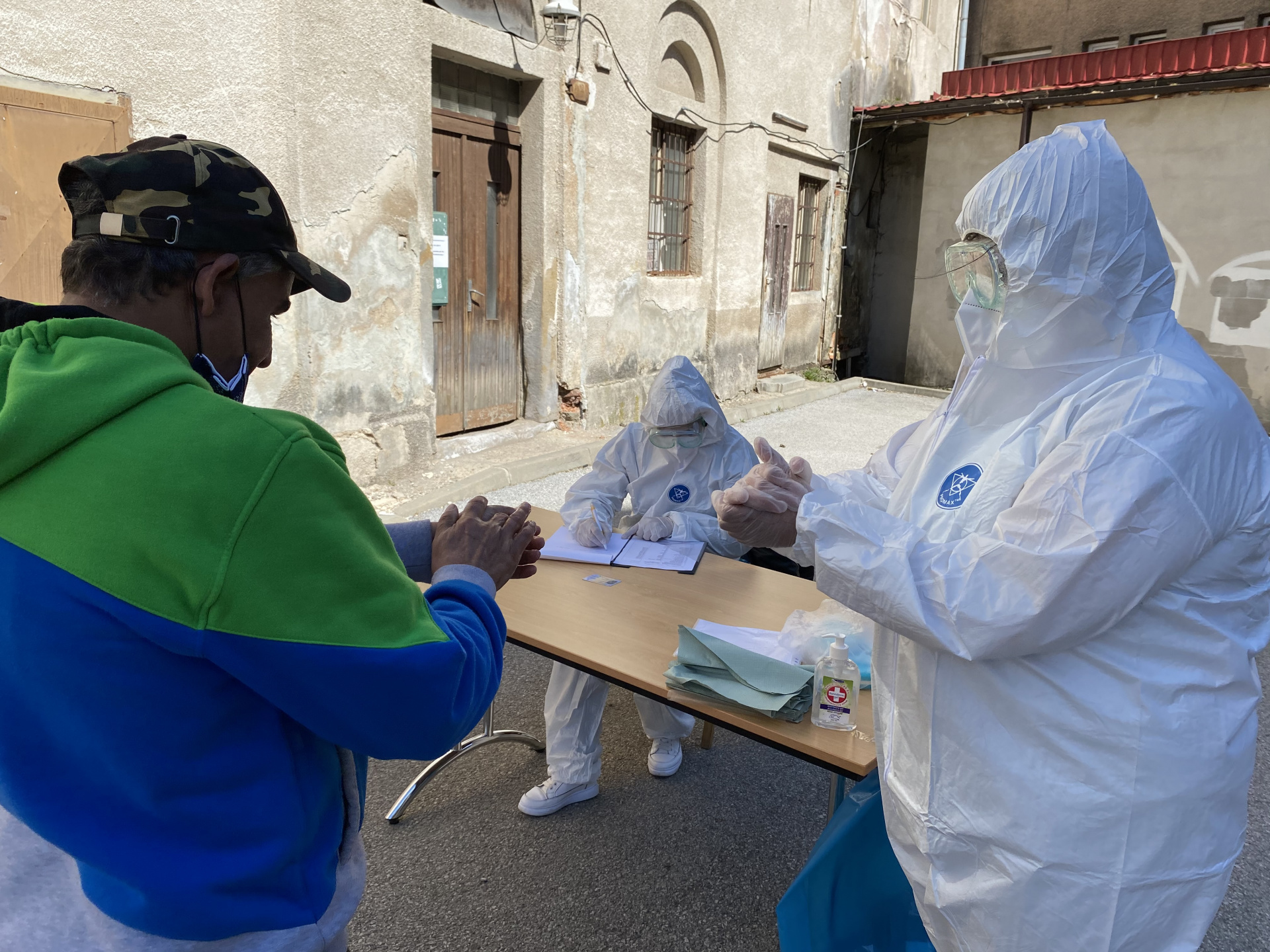
Pilot testing for COVID-19 has been underway across selected 33 Roma communities in an effort to minimise the spread of coronavirus. There have been 244 tests carried out on recent arrivals from abroad across Roma settlements over the past two days. On Friday, samples were taken in Jarovnice. On Saturday, 196 samples were collected in Trebišov, Smižany, Kecerovce, Zborov, Doľany, Hrabušice and Markušovce. Today, further sampling has taken place in Krížova Ves, Batizovce, Vechec, Ondavské Matiašovce, Bôrka, Dobšiná and Žehra.
Relying on the expertise of epidemiologists, the virus can multiply 13 times faster within Roma settlements, which is why they have been added onto the COVID-19 priority testing list. Fortunately, the results show that as of today none of the residents of Jarovnice, a village which has one of the highest concentrations of Roma in Slovakia, have tested positive for COVID-19. The other results will follow soon.
Member of the Permanent Crisis Staff and Member of the European Parliament (MEP) Peter Pollák said: "Testing people in Roma settlements is an absolute priority for us. It is important to protect the health of people in settlements and villages and I have no doubt this is also true of the whole society. We had information on recent arrivals from abroad, some of them were reportedly not in good health and were afraid to visit their GP. On return to their settlements, up to ten people share a single room, and some have no access to drinking water, nor to a sewer system. One can say there this poor adherence to hygienic measures, not to mention home quarantine. By the time I joined the Central Crisis Staff there was no testing for the virus on this group of nationals. As a result, there was a need to respond quickly and effectively and find personnel and technical resources to conduct such tests across Roma settlements." He continued: "After exploring all options for available personnel and technical resources, we decided that the testing would be carried out by doctors in uniform or armed forces, because there was no other institution that would have the equipment and personnel required to swab test about 1,500 people in the Roma communities in just a few days."
According to Defence Minister Jaroslav Naď, testing for the virus in the communities is going off without a hitch and he has come across positive feedback from local residents. "They can see that this activity of the SVK Armed Forces is here for their health and safety," he said. He further noted that up to 200 SVK Armed Forces personnel, drawn from CIMIC experts of the Special Operations Forces, medical professionals from the Office of the SVK Armed Forces Surgeon General, and members of the SVK Air Force and the SVK Army, have been out to take samples. "Our service personnel have rich experience in working out in the field with local communities. They were trained for similar situations before deploying on missions abroad, consider Resolute Support in Afghanistan, for example, or before undertaking assistance operations in support of the SVK Police Corps at home," he explained.
Testing for COVID-19 has been conducted in cooperation with the Office of the Plenipotentiary of the SVK Government for Roma Communities. "I was present at the testing sites in Roma settlements. The Roma people welcomed the possibility of finding out whether or not they were COVID-positive and they all came to take the test voluntarily. I can acknowledge they were pleased to find out about the state of their health, which also allowed them to protect the health of their close ones. Initially, several choices for mapping out the situation throughout Roma communities were up for consideration. Given the fact all medical professionals were overstretched and doctors in surgeries had shortages of personal protective equipment and had not been trained for the testing, we readily looked for the fastest and most efficient solution and we found it. We found it with doctors in uniform," said Plenipotentiary of the SVK Government for Roma Communities Andrea Bučková. According to the latest statistics, less than half the Roma live in Roma communities. 1/3 of the Roma people live in poor hygienic conditions and 16% of them have no access to drinking water.