
Minister Naď meets with fellow Allied Defence Ministers over video conference
- Author:
- Photo:
- Date: 01.06.2021
- Share: Zdieľať na Facebook
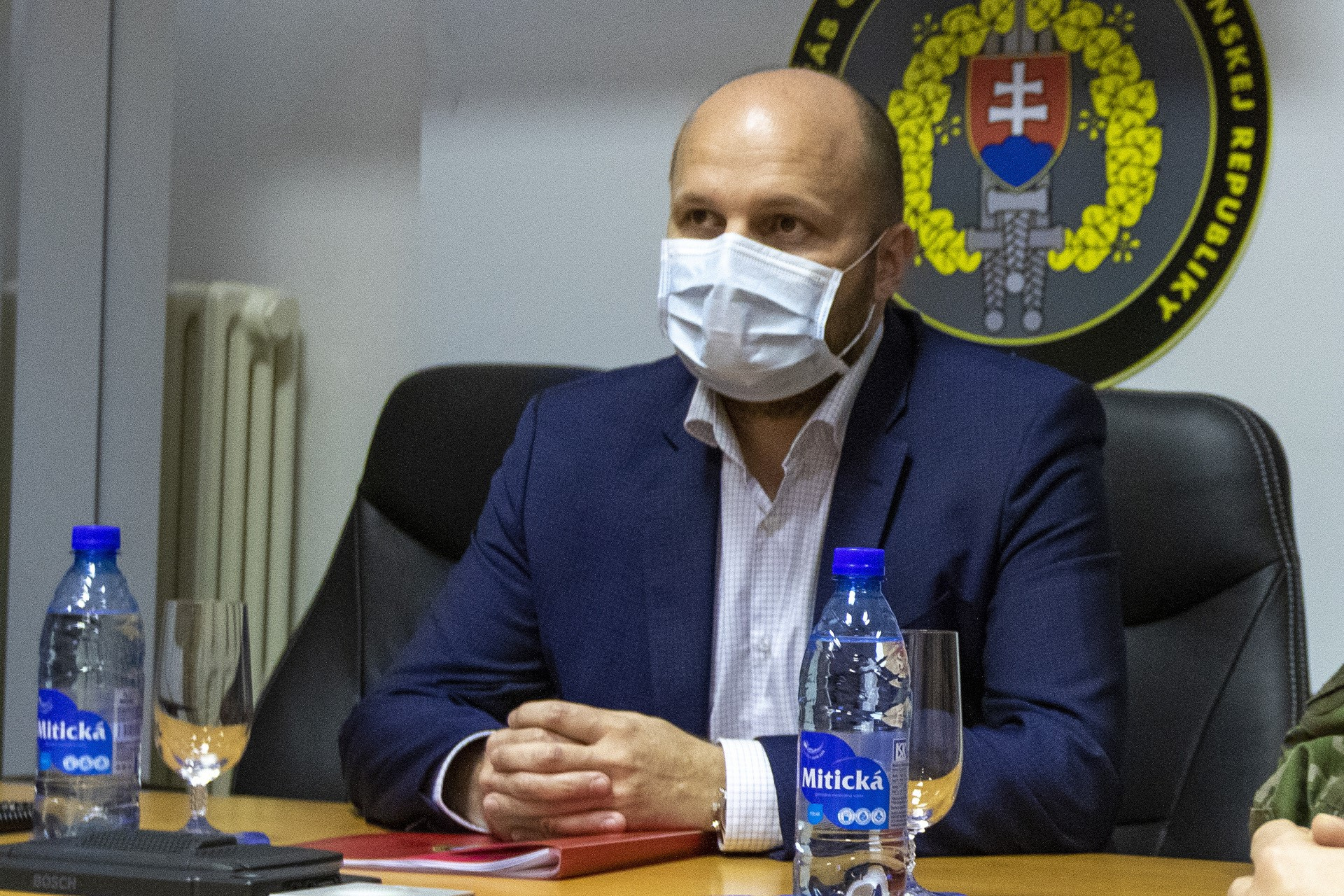
Defence Minister Jaroslav Naď participated in a video conference with Allied Defence Ministers, with the final preparations for the upcoming Summit of NATO Heads of State and Government at NATO HQ in Brussels on 14 June 2021 among the issues up for today's discussion. This meeting was preceded by an online discussion of NATO Foreign Affairs Ministers on the NATO 2030 agenda.
Speaking of the work of NATO, Defence Minister Jaroslav Naď said: “The strengthening of NATO's collective defence, its resilience against the existing and emerging threats, and current global challenges – these are the themes that call for a common and engaged approach. It is our joint debate on these issues at NATO that gives individual member states, including Slovakia, a role to play, effectively and purposefully, in addressing these challenges.”
Allied Defence Ministers also exchanged views on the NATO 2030 agenda, which, seen as the culmination process of the Alliance's internal reflection, is geared towards adapting NATO to the changing security landscape, so that it is capable of facing the current and future security challenges and threats at scale and with impact.
Ministers also considered NATO's future support to the process of building peace and stability in Afghanistan after the drawdown of Allied forces, which will bring the Alliance's 20-year-long operational engagement in the country to an end.
Speaking of the work of NATO, Defence Minister Jaroslav Naď said: “The strengthening of NATO's collective defence, its resilience against the existing and emerging threats, and current global challenges – these are the themes that call for a common and engaged approach. It is our joint debate on these issues at NATO that gives individual member states, including Slovakia, a role to play, effectively and purposefully, in addressing these challenges.”
Allied Defence Ministers also exchanged views on the NATO 2030 agenda, which, seen as the culmination process of the Alliance's internal reflection, is geared towards adapting NATO to the changing security landscape, so that it is capable of facing the current and future security challenges and threats at scale and with impact.
Ministers also considered NATO's future support to the process of building peace and stability in Afghanistan after the drawdown of Allied forces, which will bring the Alliance's 20-year-long operational engagement in the country to an end.
