Minister J. Naď meets and awards Holocaust survivors with medals for their courage and struggle for survival
- Author:
- Photo:
- Date: 09.09.2021
- Share: Zdieľať na Facebook
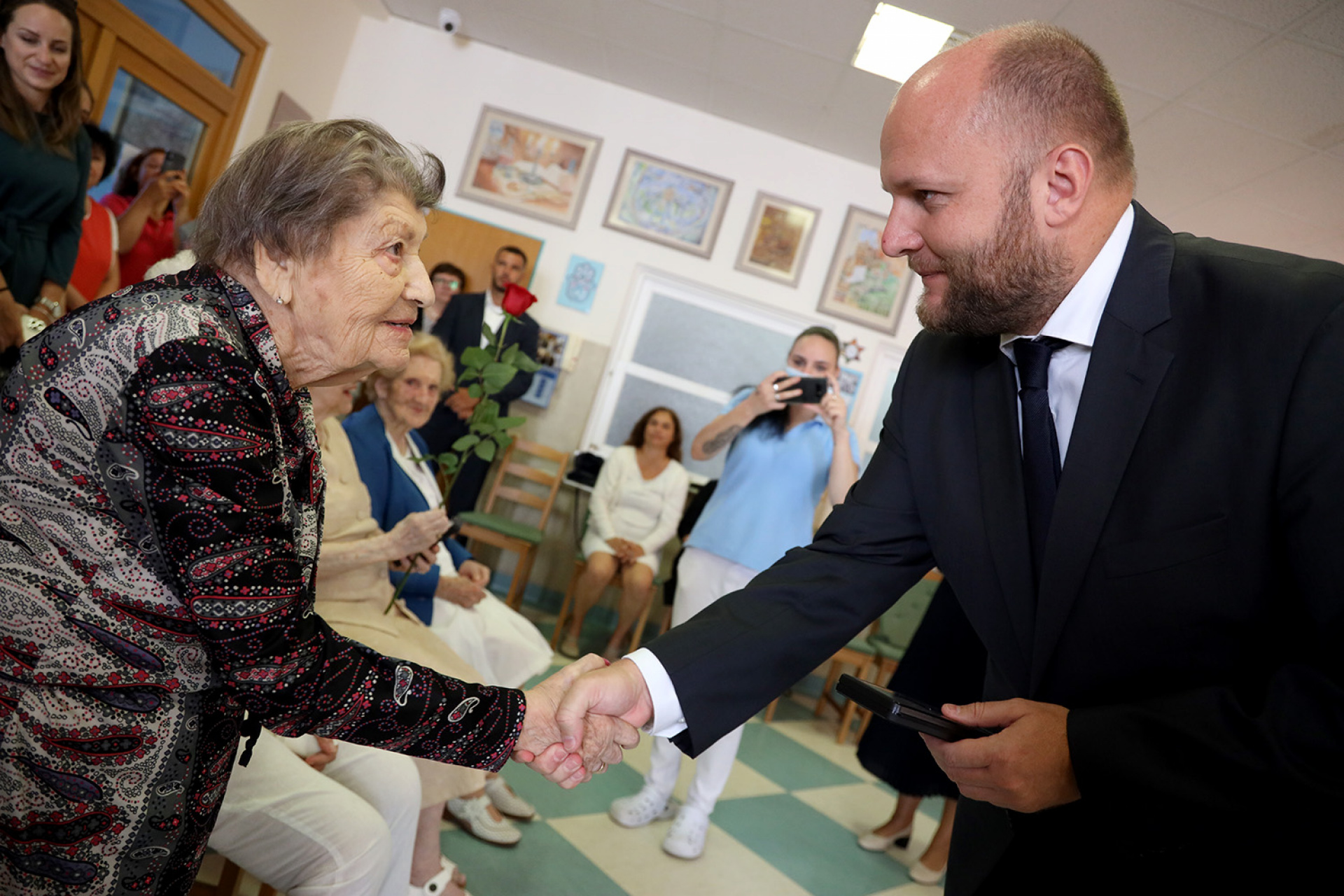
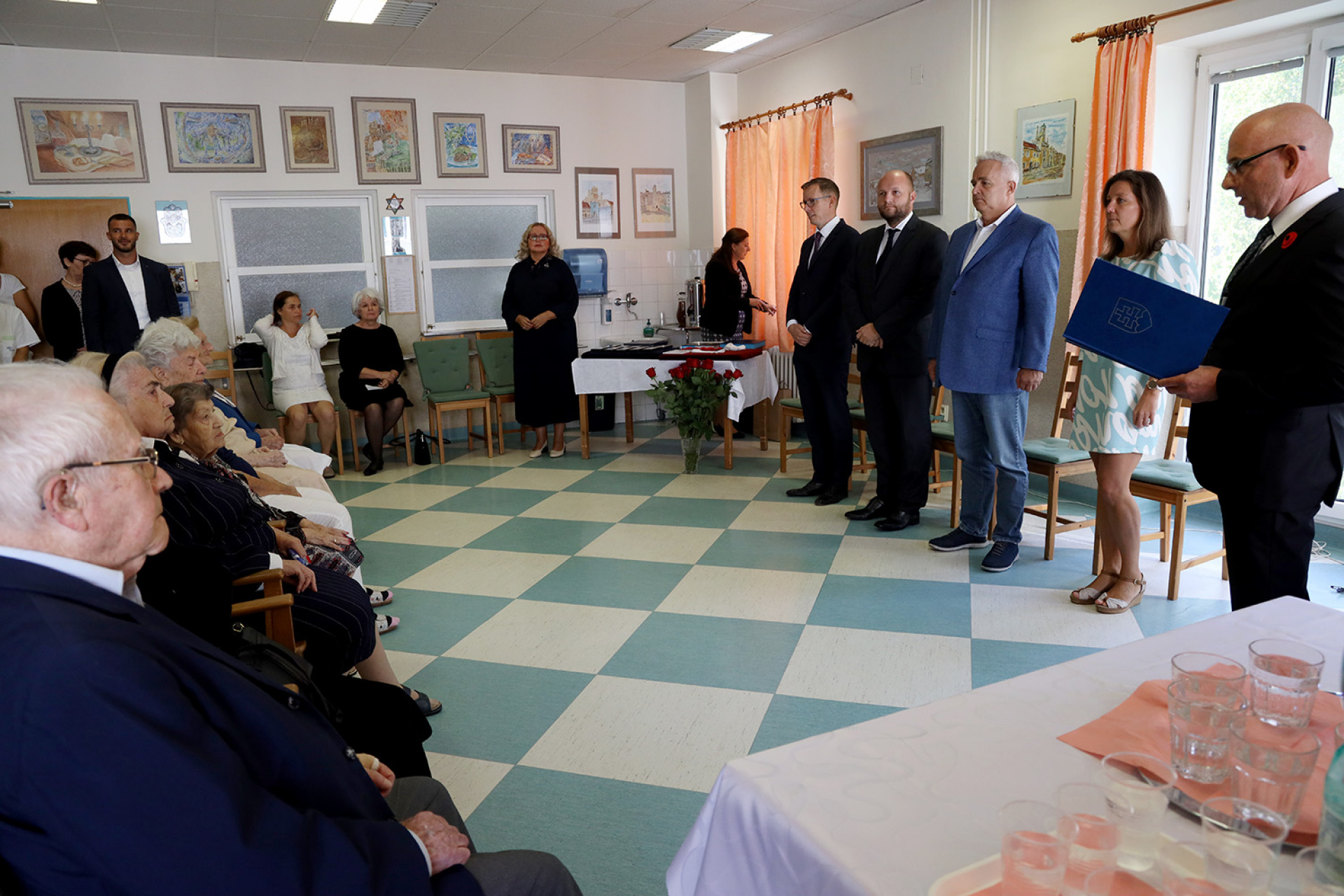
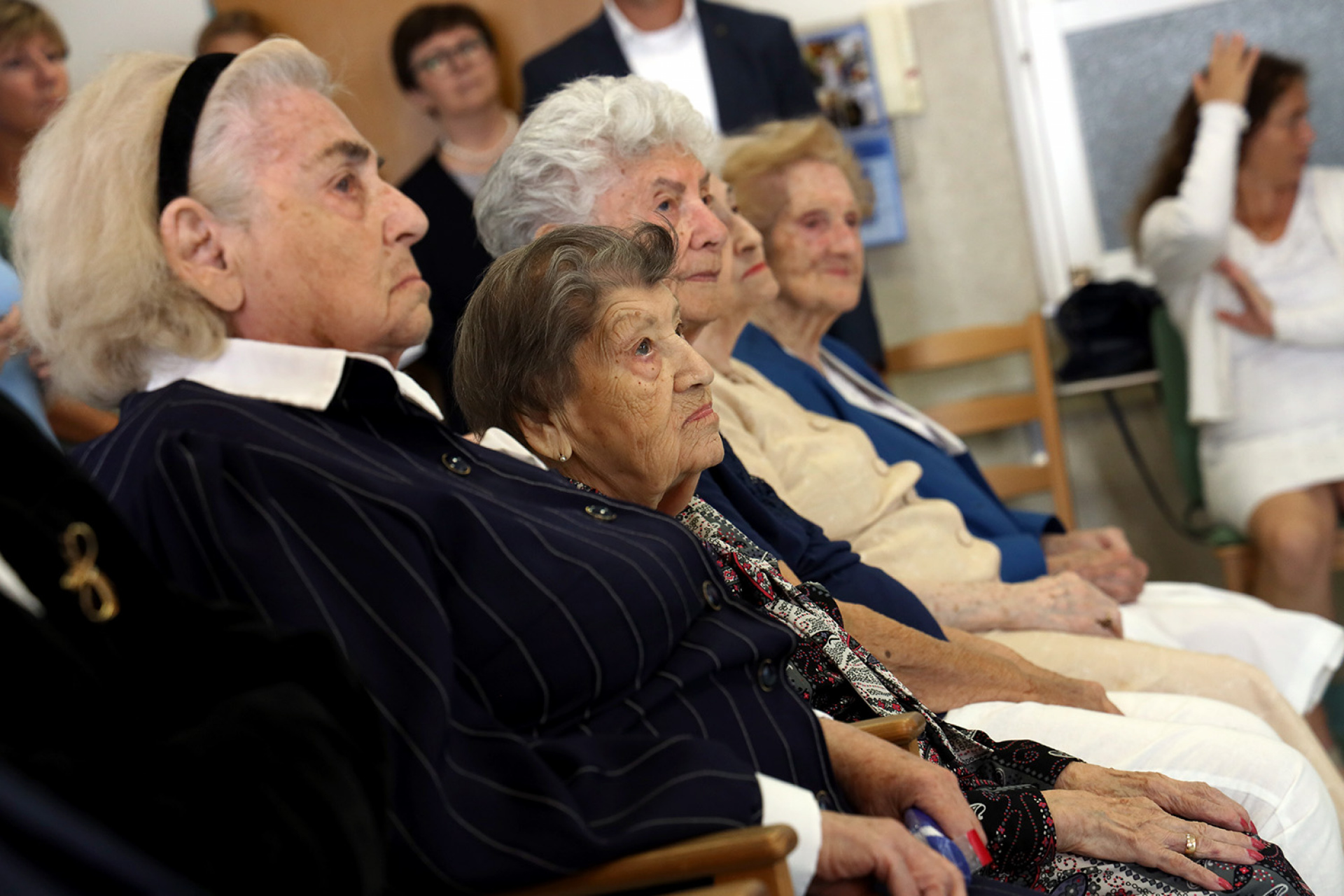
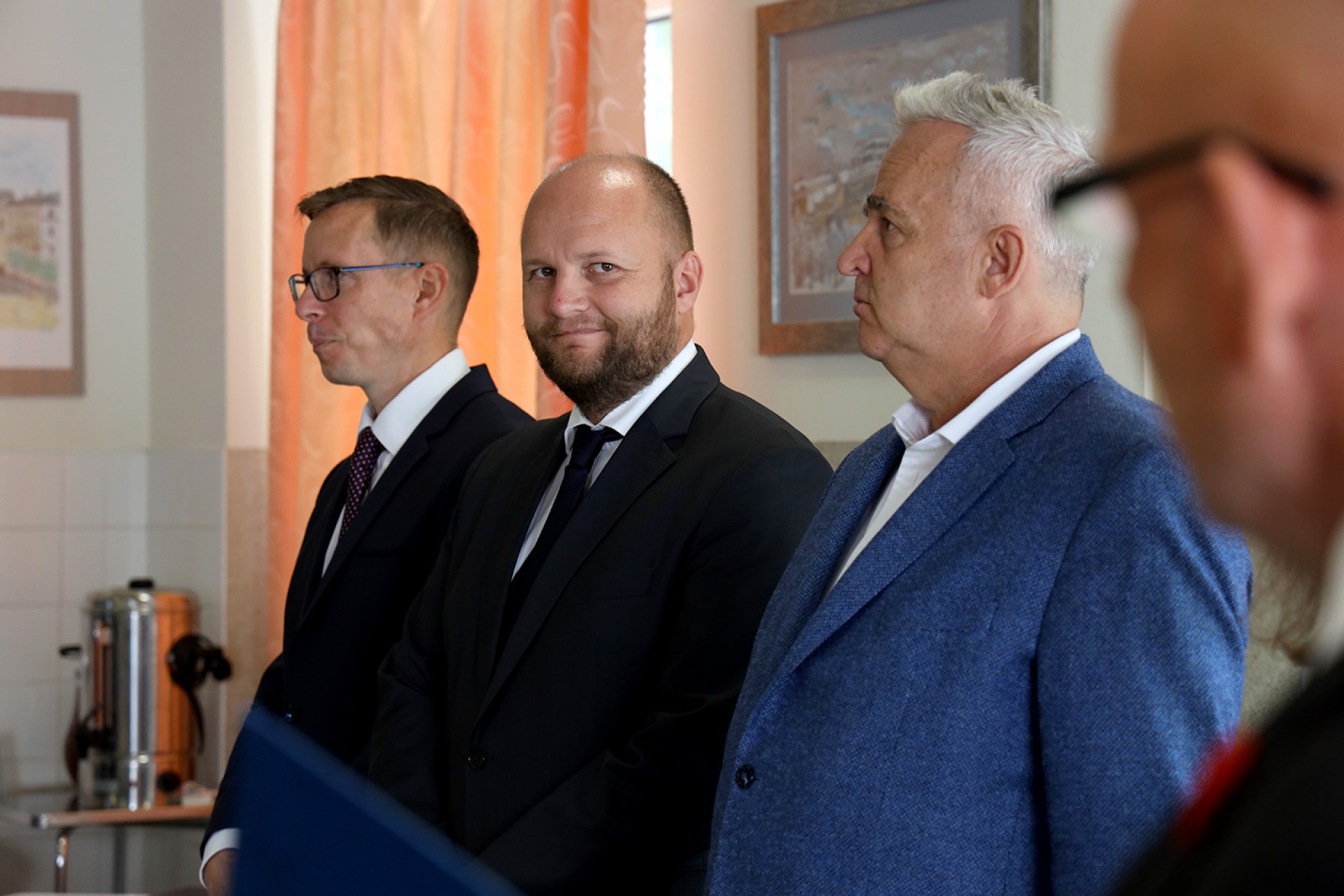
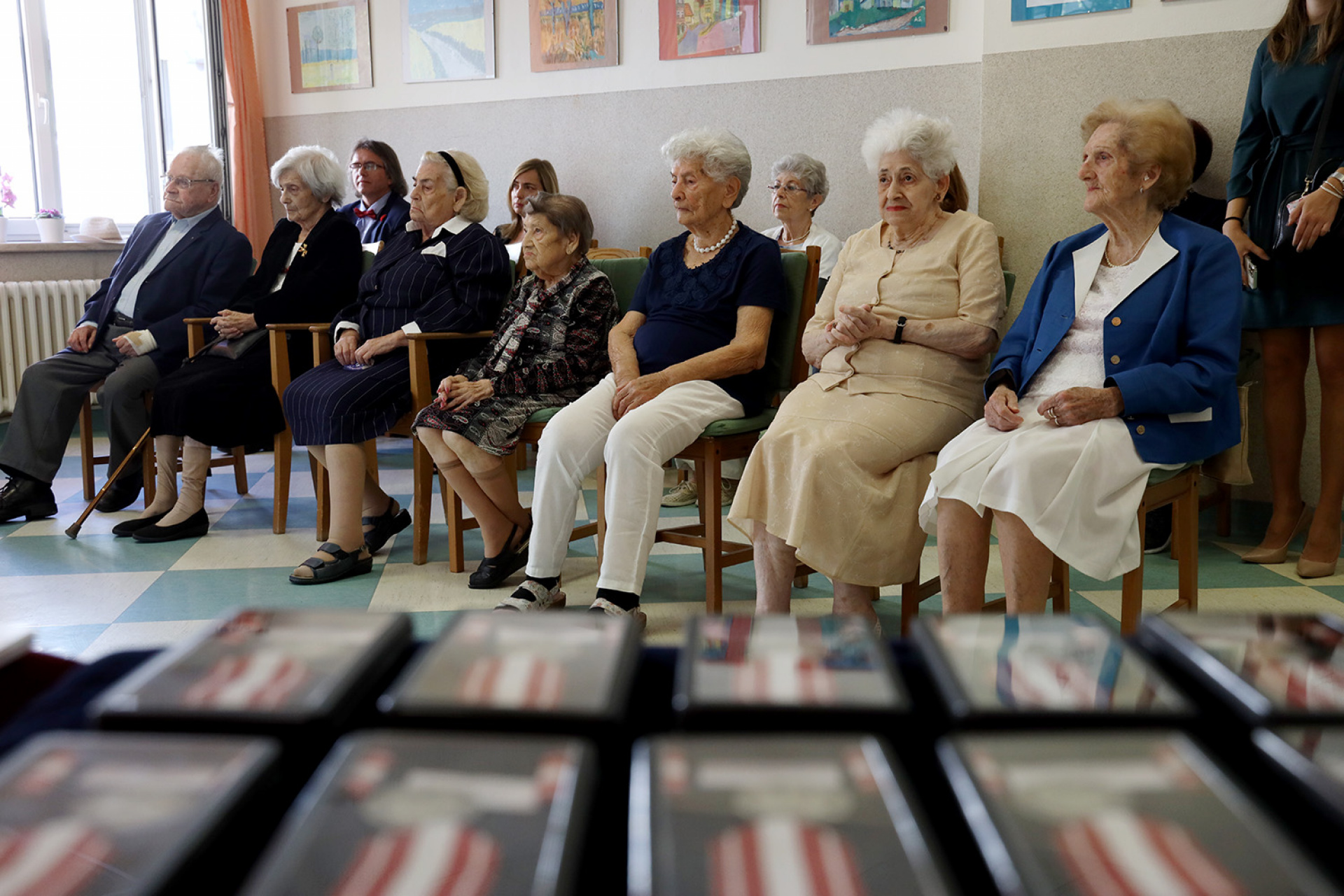
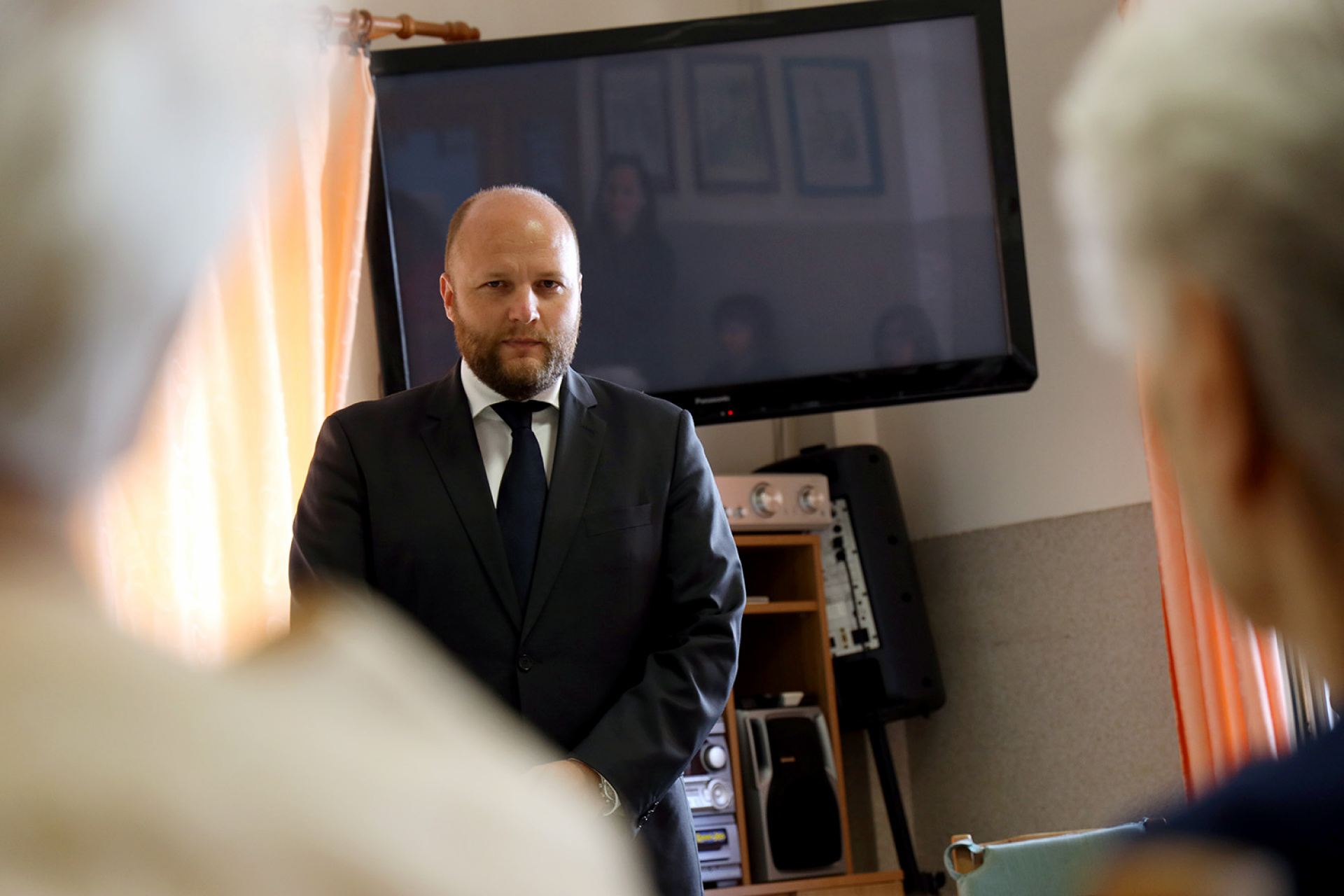
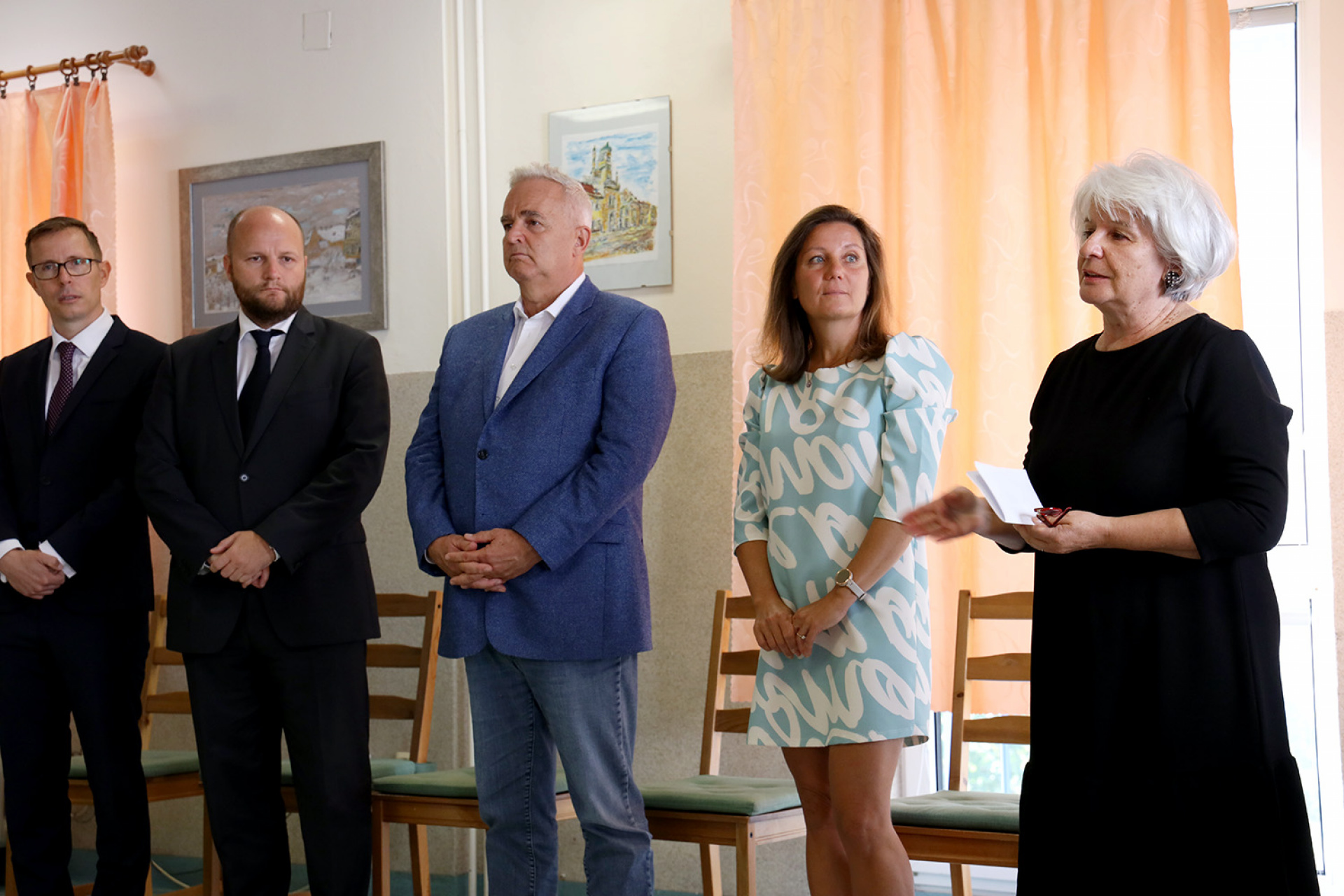
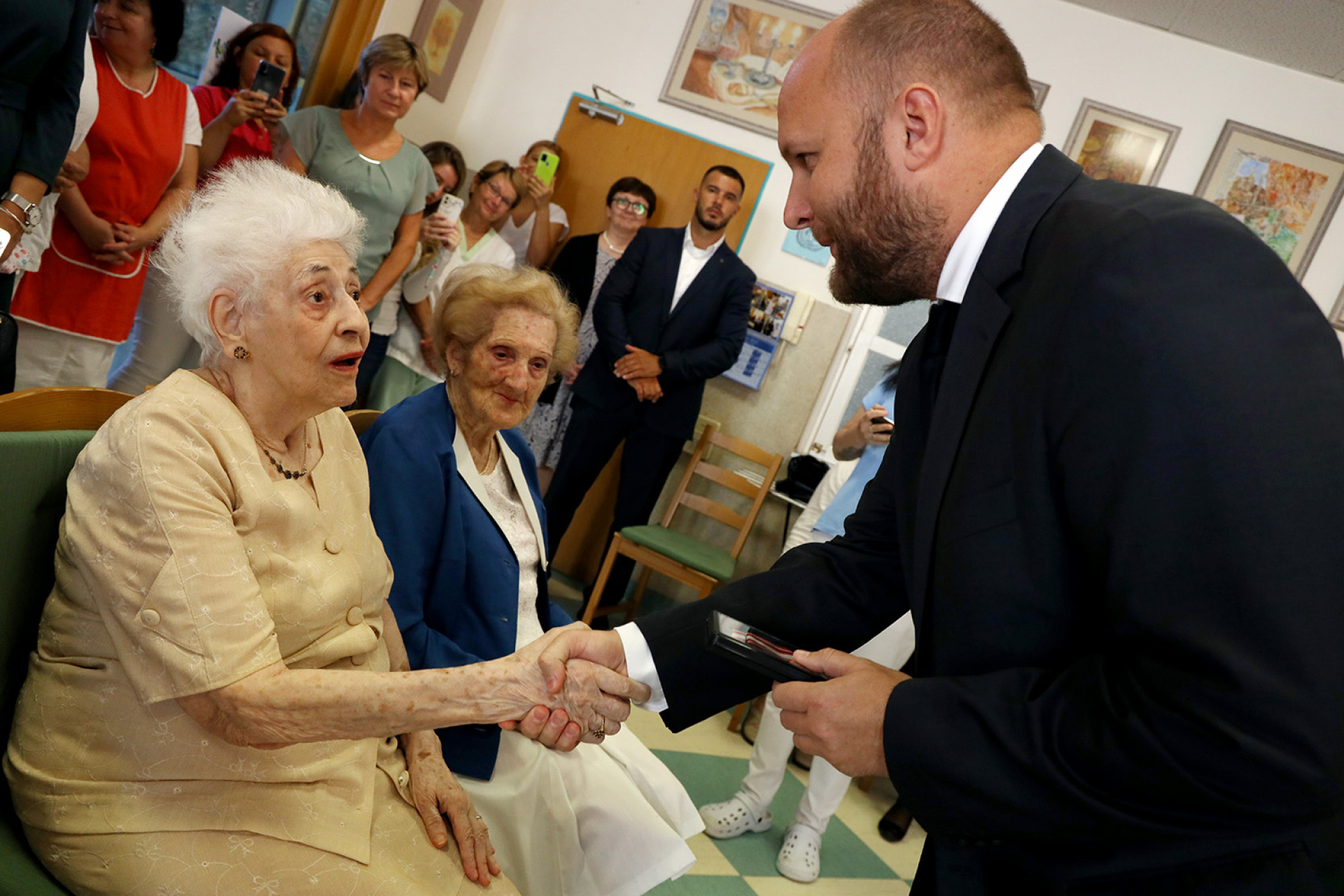
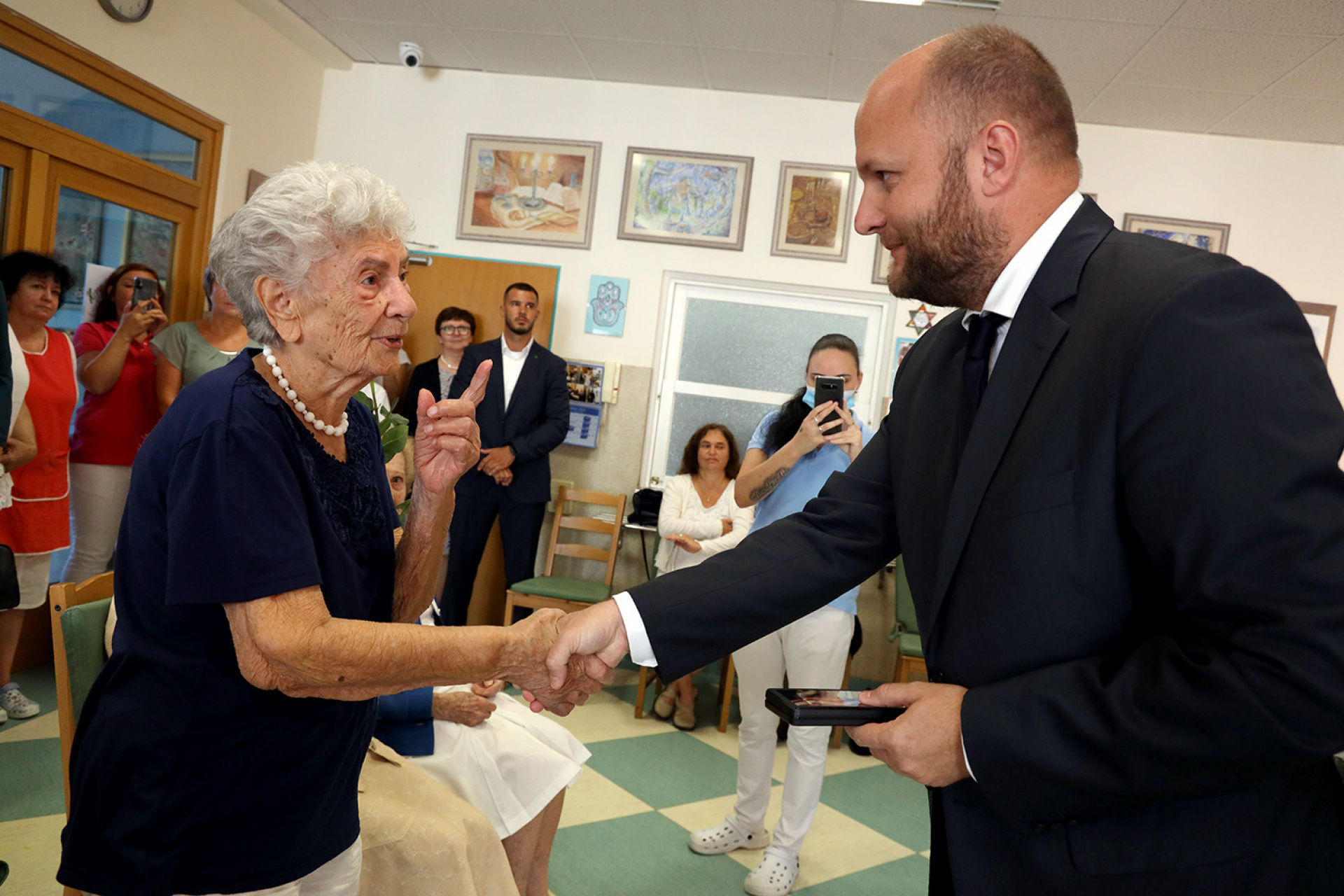
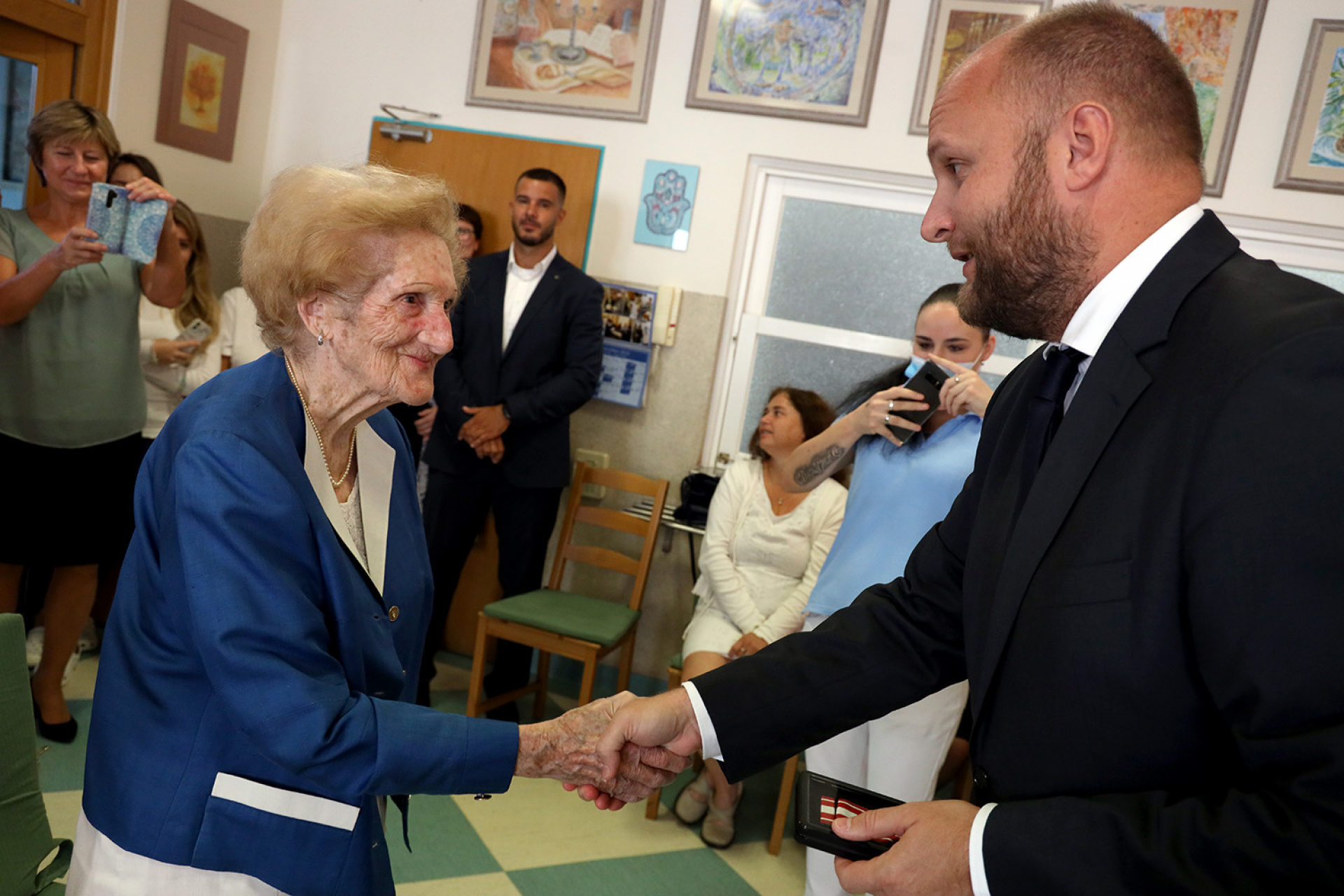
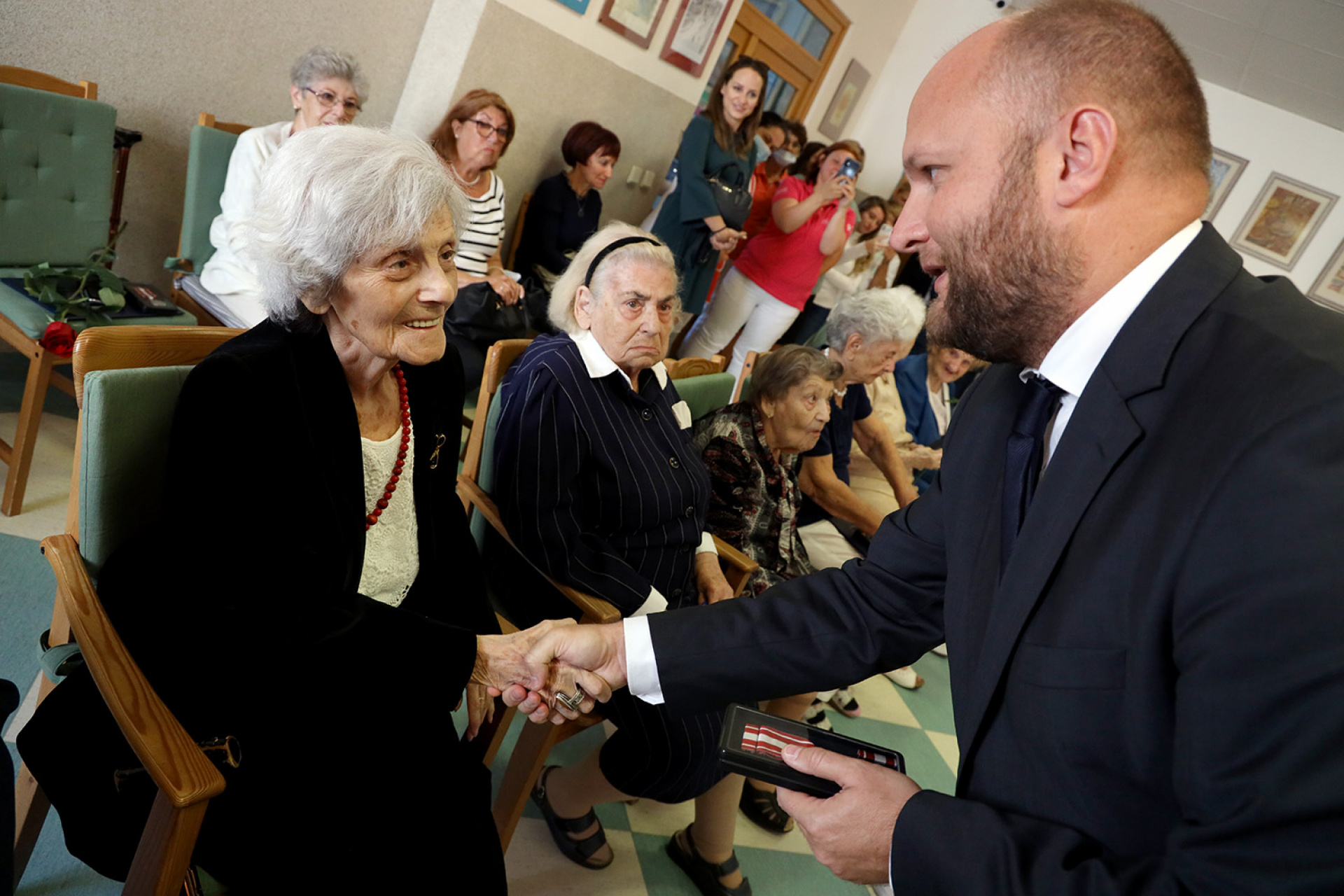
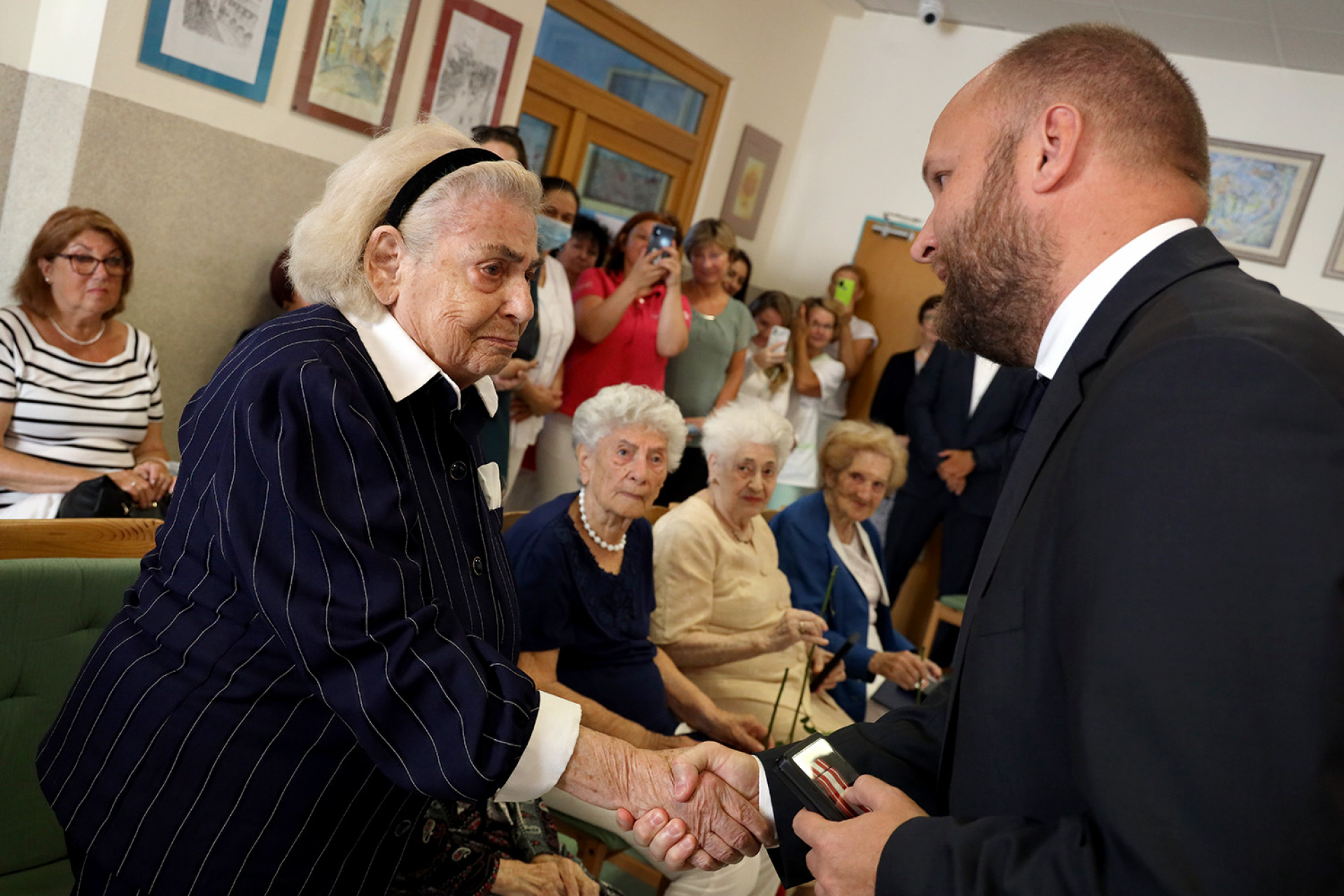
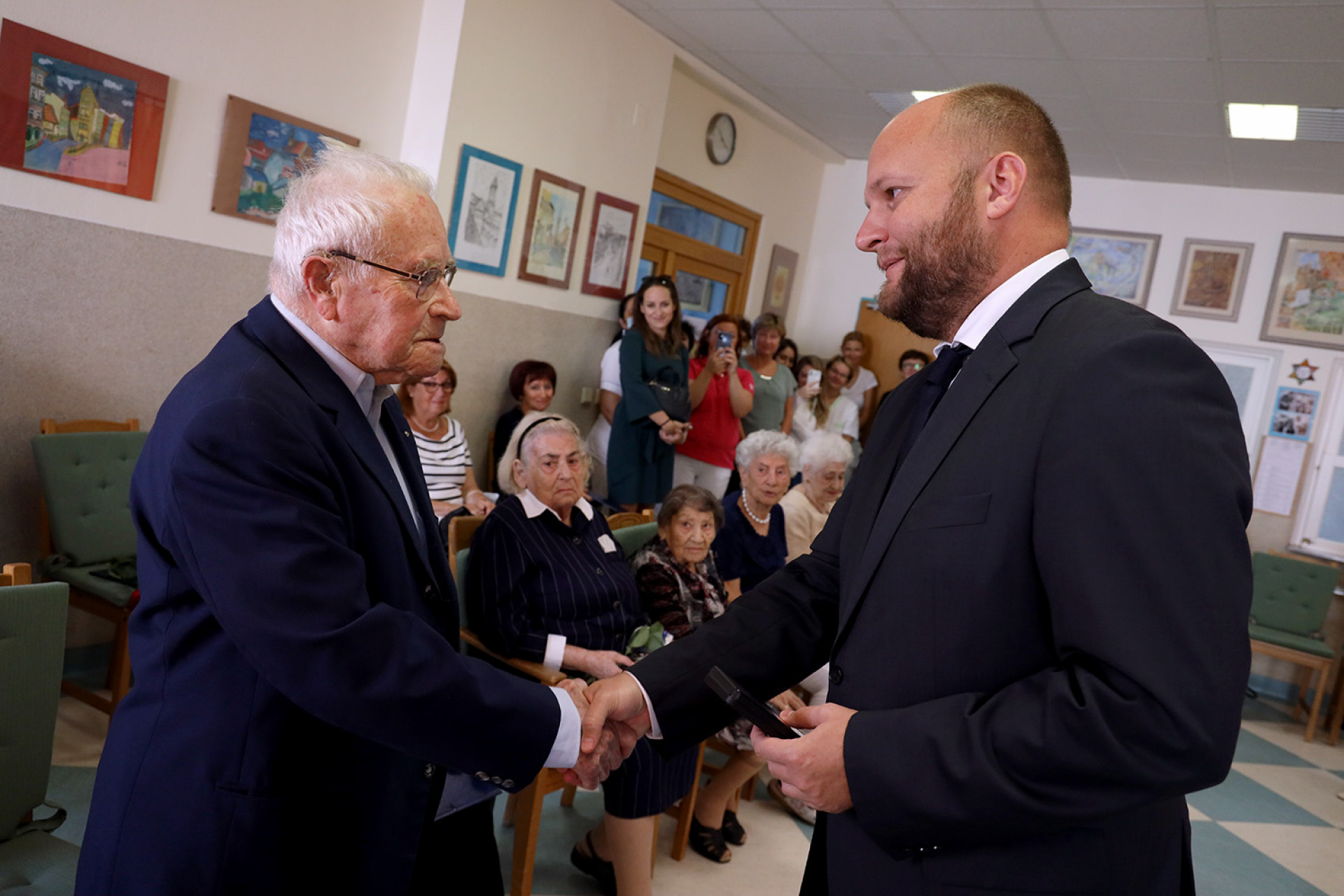
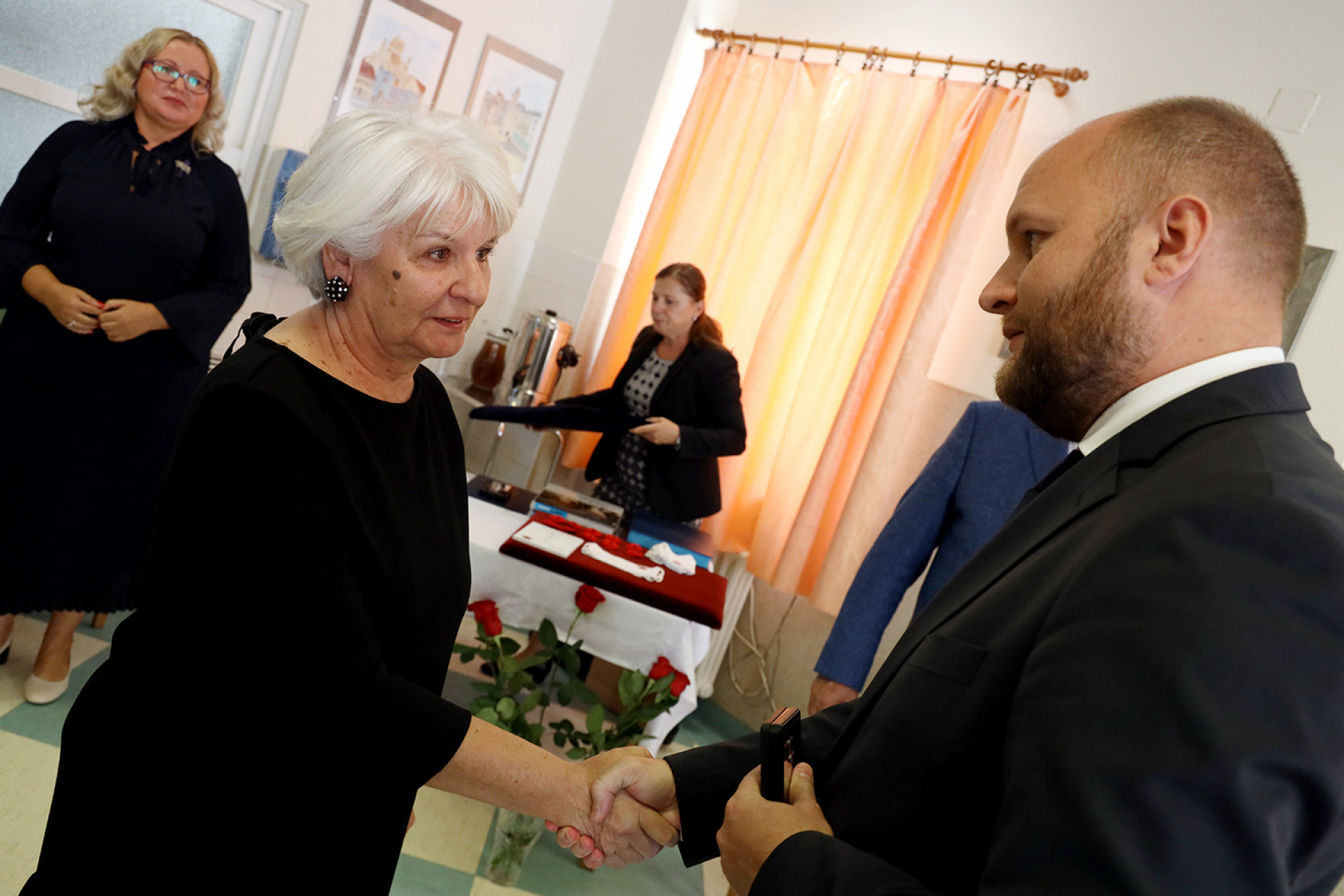
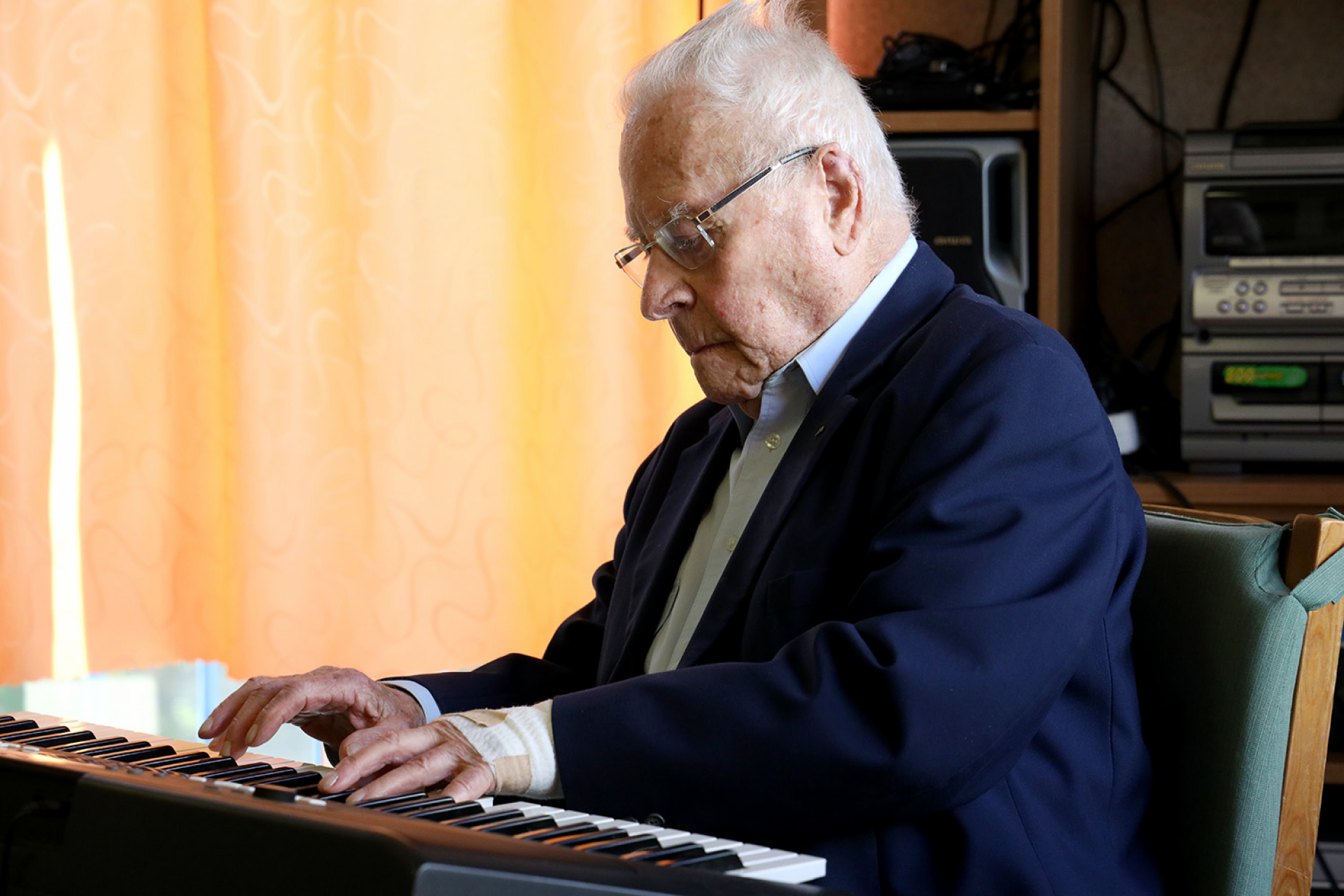
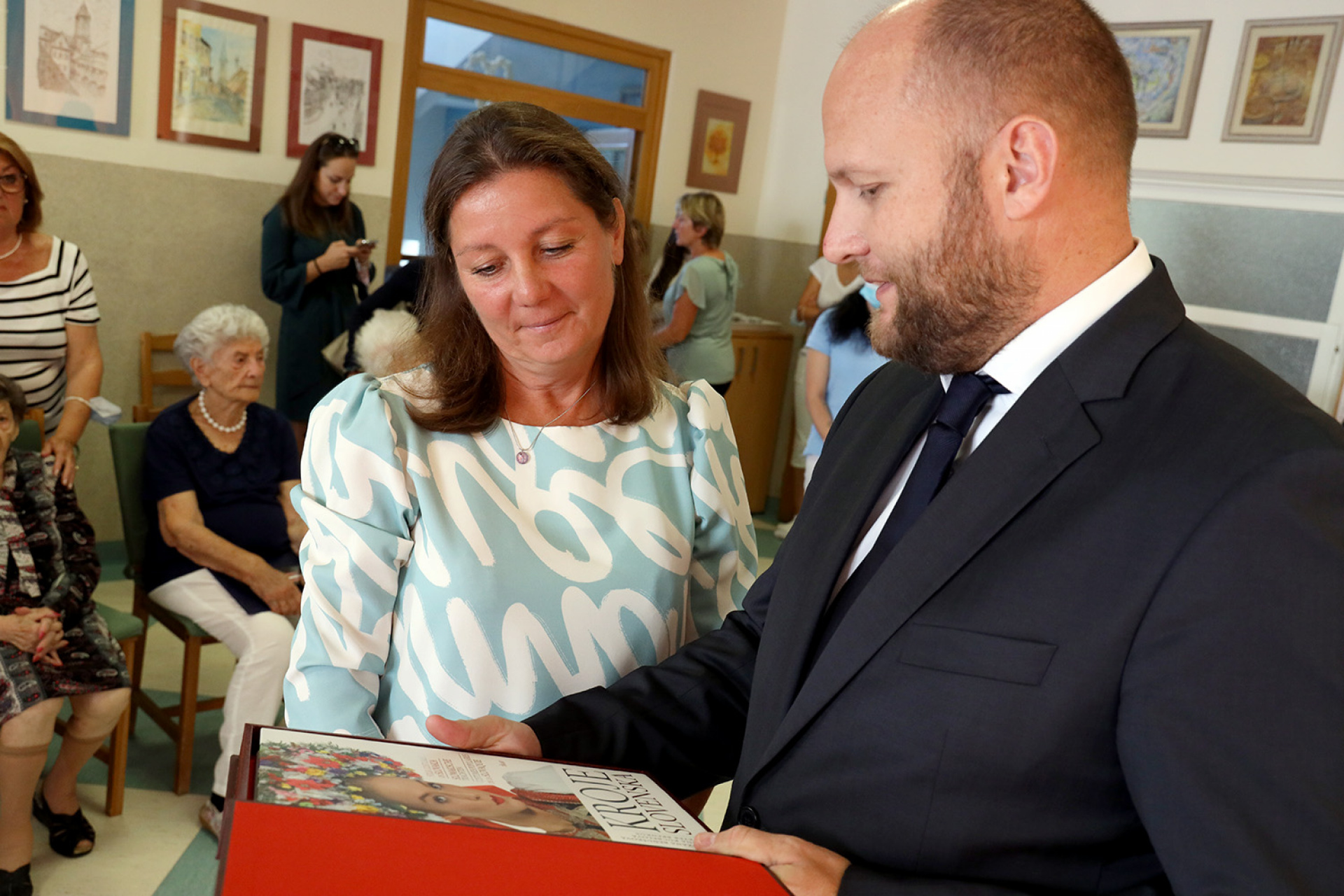
Today (9 September), Defence Minister Jaroslav Naď has paid a visit to the Ohel David Residential Care Home in Bratislava to meet the surviving victims of the Nazi regime's anti-Jewish policy. In Slovakia, they are the last surviving members of the Jewish community who have given first-hand testimonies about the terrible events of the Holocaust. To mark Holocaust Memorial Day, known as Holocaust and Racial Violence Victims Day in Slovakia, Mr Naď presented the Holocaust survivors with the 75th Slovak National Uprising Anniversary and End of WW2 Memorial Medal.
Defence Minister Jaroslav Naď said: “Their personal stories are very awareness raising even so many years on – they document the tragedies of the Jewish citizens who were persecuted and stripped of fundamental human rights and freedoms during the Second World War. It is with great respect that I have awarded the Holocaust survivors with the memorial medal as a moral gesture of recognition for their valour, courage and struggle for survival.”
Among the eight awarded Holocaust survivors were Lívia Herzová, Adriana Šeboková, Františka Fialová, Valéria Slámová, Magdaléna Šimková, and Laura Špániková. Lívia Herzová told her story of being an inmate at Auschwitz. She went through the selection process by Dr Mengele and was put on a death march in 1945. In her memories, Adriana Šeboková remembers hiding herself quickly in a grave dug up for a dead man to avoid capture during the period of persecutions. Františka Fialová gave an account of her family losing their property due to wartime “Aryanization” of Jewish property. Both of her parents were deported to Auschwitz where they perished after two weeks. She escaped from a death march. Valéria Slámová was deported to Auschwitz where Dr Mengele sent her to the gas chamber to be gassed to death. By a stroke of luck, she sneaked back into the crowd queuing up for the selection process. Once again, she faced Dr Mengele, but she passed selection and was put to work, which saved her life. Magdaléna Šimková, too, became a victim of the doctors who experimented on her at Auschwitz. Yet, she survived the Holocaust with serious physical and psychological problems. Laura Špániková is the last survivor of the first deportation train which left Slovakia to Auschwitz on 25 March 1942. She was interned at Auschwitz until January 1945.
Minister Naď also presented the memorial medal to the families of Jozef Pevný and WW2 veteran Otto Smik, both of Jewish ancestry. Otto Smik and his entire family were deported to the concentration centre in Žilina. There, Otto was detained for 10 months. Two years later, he joined the 1944 Slovak National Uprising as a member of the 9th Liptov Partisan Group.
Defence Minister Jaroslav Naď said: “The testimonies of Nazi frenzy and crimes which these people have given remind us of how fragile and vulnerable the values we take for granted and changeless can be. It is of immense importance to keep talking about these events and we must not allow them to be misinterpreted or cast doubt upon.”
Mr Naď also awarded the memorial medal to Dr Katarína Mešková Hradská PhD, a historian and researcher of the Institute of History at the Slovak Academy of Sciences, for her role in documenting the testimonies of the Slovak Jewish community during the Holocaust.
Holocaust and Racial Violence Victims Day is observed on 9 September the day the Jewish Code, the most extensive legal norm of the wartime Slovak State, was adopted in 1941. The Jewish Code contained 270 articles with anti-Jewish measures which were enforced across Slovakia.
Defence Minister Jaroslav Naď said: “Their personal stories are very awareness raising even so many years on – they document the tragedies of the Jewish citizens who were persecuted and stripped of fundamental human rights and freedoms during the Second World War. It is with great respect that I have awarded the Holocaust survivors with the memorial medal as a moral gesture of recognition for their valour, courage and struggle for survival.”
Among the eight awarded Holocaust survivors were Lívia Herzová, Adriana Šeboková, Františka Fialová, Valéria Slámová, Magdaléna Šimková, and Laura Špániková. Lívia Herzová told her story of being an inmate at Auschwitz. She went through the selection process by Dr Mengele and was put on a death march in 1945. In her memories, Adriana Šeboková remembers hiding herself quickly in a grave dug up for a dead man to avoid capture during the period of persecutions. Františka Fialová gave an account of her family losing their property due to wartime “Aryanization” of Jewish property. Both of her parents were deported to Auschwitz where they perished after two weeks. She escaped from a death march. Valéria Slámová was deported to Auschwitz where Dr Mengele sent her to the gas chamber to be gassed to death. By a stroke of luck, she sneaked back into the crowd queuing up for the selection process. Once again, she faced Dr Mengele, but she passed selection and was put to work, which saved her life. Magdaléna Šimková, too, became a victim of the doctors who experimented on her at Auschwitz. Yet, she survived the Holocaust with serious physical and psychological problems. Laura Špániková is the last survivor of the first deportation train which left Slovakia to Auschwitz on 25 March 1942. She was interned at Auschwitz until January 1945.
Minister Naď also presented the memorial medal to the families of Jozef Pevný and WW2 veteran Otto Smik, both of Jewish ancestry. Otto Smik and his entire family were deported to the concentration centre in Žilina. There, Otto was detained for 10 months. Two years later, he joined the 1944 Slovak National Uprising as a member of the 9th Liptov Partisan Group.
Defence Minister Jaroslav Naď said: “The testimonies of Nazi frenzy and crimes which these people have given remind us of how fragile and vulnerable the values we take for granted and changeless can be. It is of immense importance to keep talking about these events and we must not allow them to be misinterpreted or cast doubt upon.”
Mr Naď also awarded the memorial medal to Dr Katarína Mešková Hradská PhD, a historian and researcher of the Institute of History at the Slovak Academy of Sciences, for her role in documenting the testimonies of the Slovak Jewish community during the Holocaust.
Holocaust and Racial Violence Victims Day is observed on 9 September the day the Jewish Code, the most extensive legal norm of the wartime Slovak State, was adopted in 1941. The Jewish Code contained 270 articles with anti-Jewish measures which were enforced across Slovakia.