NATO Defence Ministerial: We are strengthening our alliance and pursuing a shared vision of a safer world, Defence Minister Naď said
- Author:
- Photo:
- Date: 15.02.2023
- Share: Zdieľať na Facebook
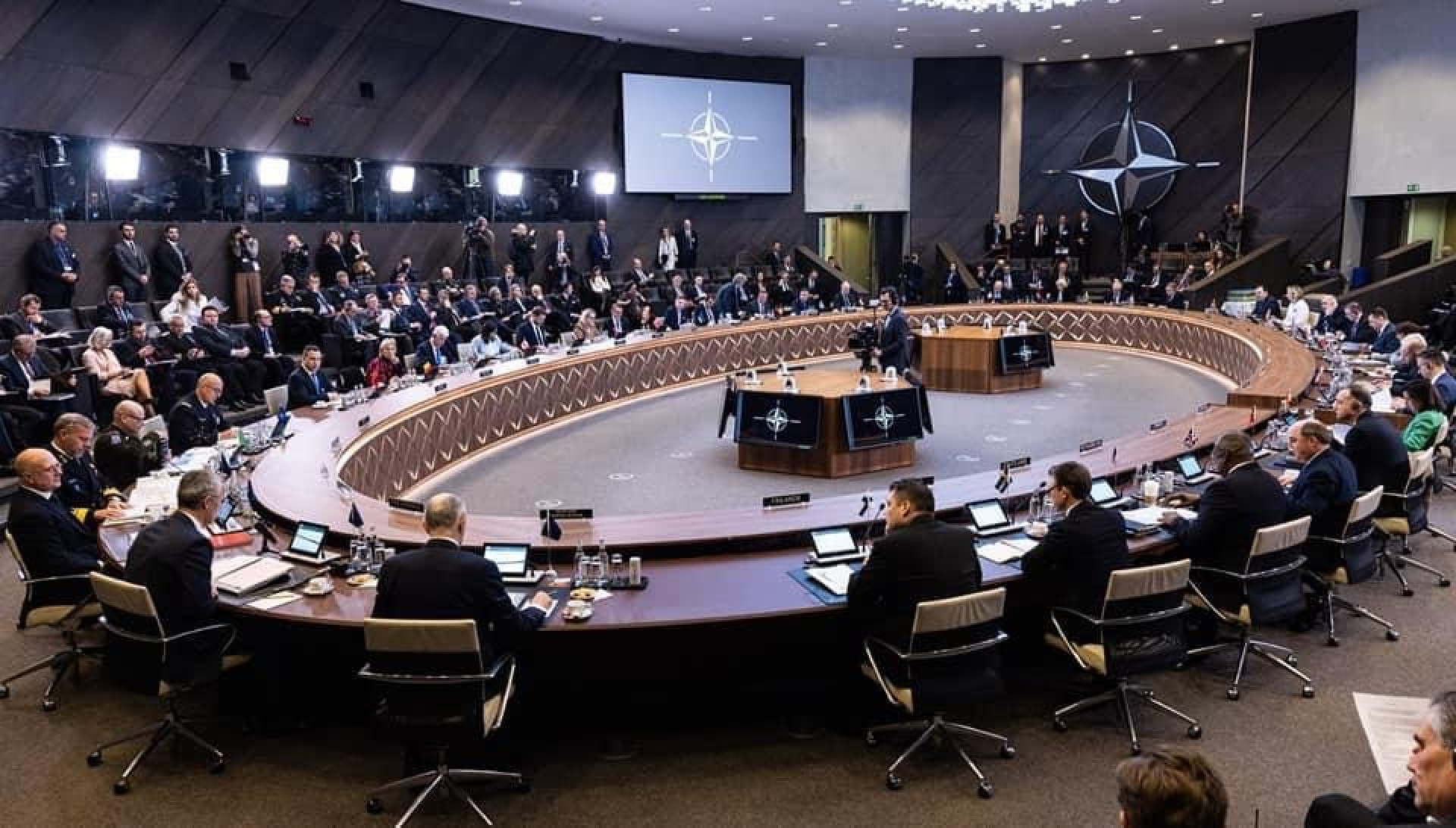
Over the past two days (14-15 February 2023), Defence Minister Jaroslav Naď has held a series of bilateral and multilateral meetings at the NATO Defence Ministerial at the Alliance headquarters in Brussels. The central themes of the ministerial meetings – the strengthening of the trans-Atlantic partnership and Allied support for war-engulfed Ukraine that has been defending itself against the Russian Federation's unprecedented aggression for almost a year – have very much resonated with Allies and the situation the Alliance finds itself in now.
According to Minister Naď, yesterday's meeting of the Ukraine Defence Contact Group (UDCG) in the Ramstein format with Ukrainian Defence Minister Oleksii Reznikov in attendance acknowledged the determination of almost 60 nations at the table to secure continued long-term and tailored support to the Ukrainian Armed Forces, which will help them go on fighting for freedom and which will bring them closer to unconditional victory.
Shortly after the 9th UDCG meeting, Defence Minister Jaroslav Naď said: “We mainly addressed three areas of interest – aircraft including MiG-29 and F-16 fighter jets, main battle tanks, and air defence systems. Things are moving forward in the right direction and Ukraine has seen some truly tremendous support.”
Meanwhile, there are countries that have already delivered arms supplies such as combat aircraft and associated spare parts to the Ukrainian Armed Forces, Minister Naď noted.
On Day 2 of this NATO ministerial, Ministers discussed bolstering the Alliance's eastern flank, including Slovakia, deploying air defence capabilities to protect all Allied and our territory, and investing more in defence.
On the defence investment pledge, Minister Naď said: “Slovakia has delivered on its commitment to spend 2 percent of GDP on defence, however, this is not true of all Allies. For the countries in the Alliance, the key is, therefore, to boost defence expenditure. We must be united in this effort because what the Russian Federation is doing in terms of its aggression against Ukraine sounds a warning to us all.”
Mr Naď went on to highlight that even though Slovakia has met the 2 per cent GDP spending goal, it still spends the least from among NATO's eastern flank Allies. “Given Slovakiaʼs long-neglected defence infrastructure and modernisation, defence spending is all the more important for us now. We are on good track there, yet we have much more to do as we have by far not yet crossed the finish line,” he concluded.
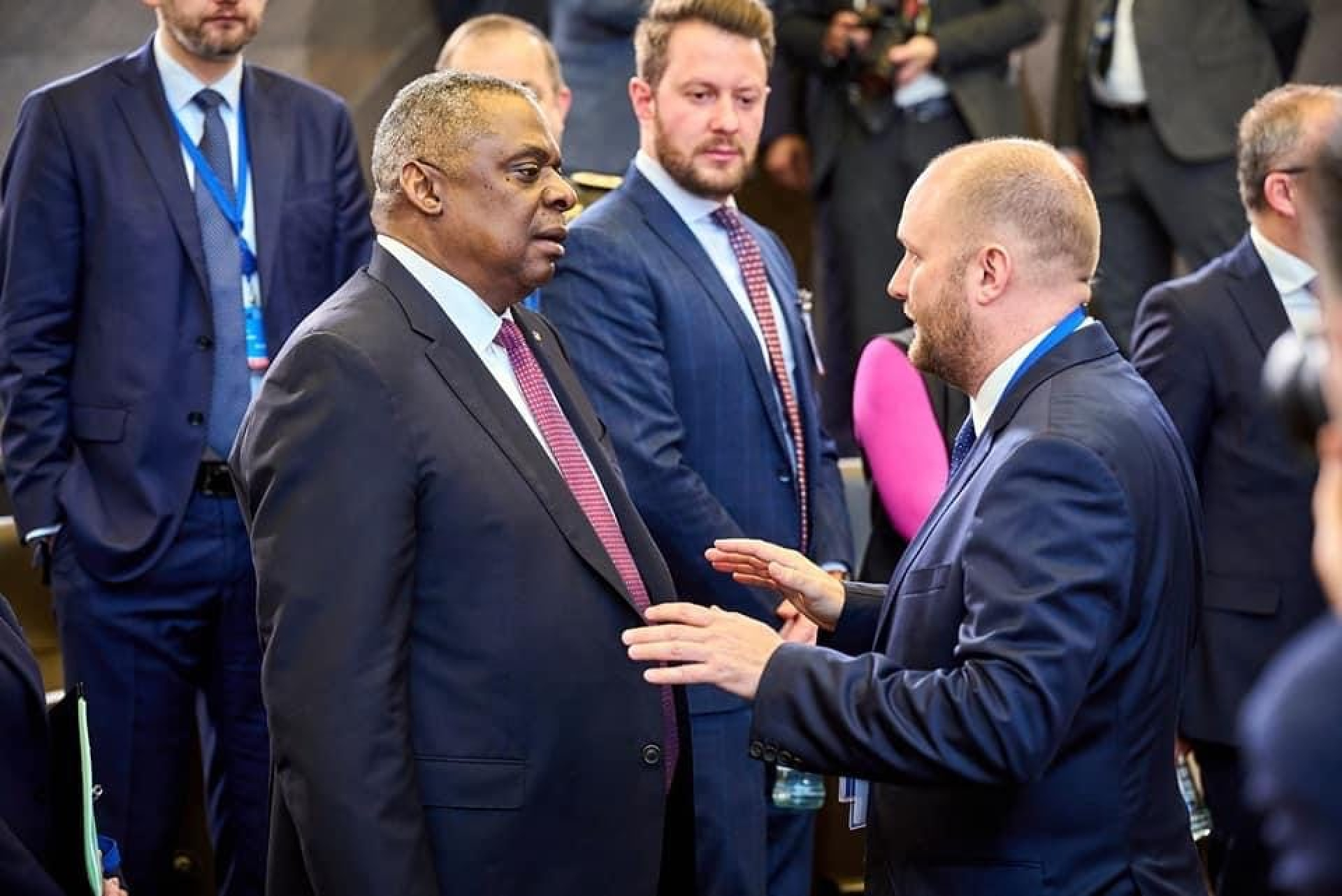
On the margins of the NATO gathering in Brussels, Minister Naď spoke separately with representatives of the Czech Republic, Greece, the Netherlands, Germany, Slovenia, the United States, Spain, Italy and the United Kingdom.
According to Minister Naď, yesterday's meeting of the Ukraine Defence Contact Group (UDCG) in the Ramstein format with Ukrainian Defence Minister Oleksii Reznikov in attendance acknowledged the determination of almost 60 nations at the table to secure continued long-term and tailored support to the Ukrainian Armed Forces, which will help them go on fighting for freedom and which will bring them closer to unconditional victory.
Shortly after the 9th UDCG meeting, Defence Minister Jaroslav Naď said: “We mainly addressed three areas of interest – aircraft including MiG-29 and F-16 fighter jets, main battle tanks, and air defence systems. Things are moving forward in the right direction and Ukraine has seen some truly tremendous support.”
Meanwhile, there are countries that have already delivered arms supplies such as combat aircraft and associated spare parts to the Ukrainian Armed Forces, Minister Naď noted.
On Day 2 of this NATO ministerial, Ministers discussed bolstering the Alliance's eastern flank, including Slovakia, deploying air defence capabilities to protect all Allied and our territory, and investing more in defence.
On the defence investment pledge, Minister Naď said: “Slovakia has delivered on its commitment to spend 2 percent of GDP on defence, however, this is not true of all Allies. For the countries in the Alliance, the key is, therefore, to boost defence expenditure. We must be united in this effort because what the Russian Federation is doing in terms of its aggression against Ukraine sounds a warning to us all.”
Mr Naď went on to highlight that even though Slovakia has met the 2 per cent GDP spending goal, it still spends the least from among NATO's eastern flank Allies. “Given Slovakiaʼs long-neglected defence infrastructure and modernisation, defence spending is all the more important for us now. We are on good track there, yet we have much more to do as we have by far not yet crossed the finish line,” he concluded.
On the margins of the NATO gathering in Brussels, Minister Naď spoke separately with representatives of the Czech Republic, Greece, the Netherlands, Germany, Slovenia, the United States, Spain, Italy and the United Kingdom.