EU Defence Ministers address strategic implications of COVID-19 on defence and security
- Author:
- Photo:
- Date: 12.05.2020
- Share: Zdieľať na Facebook
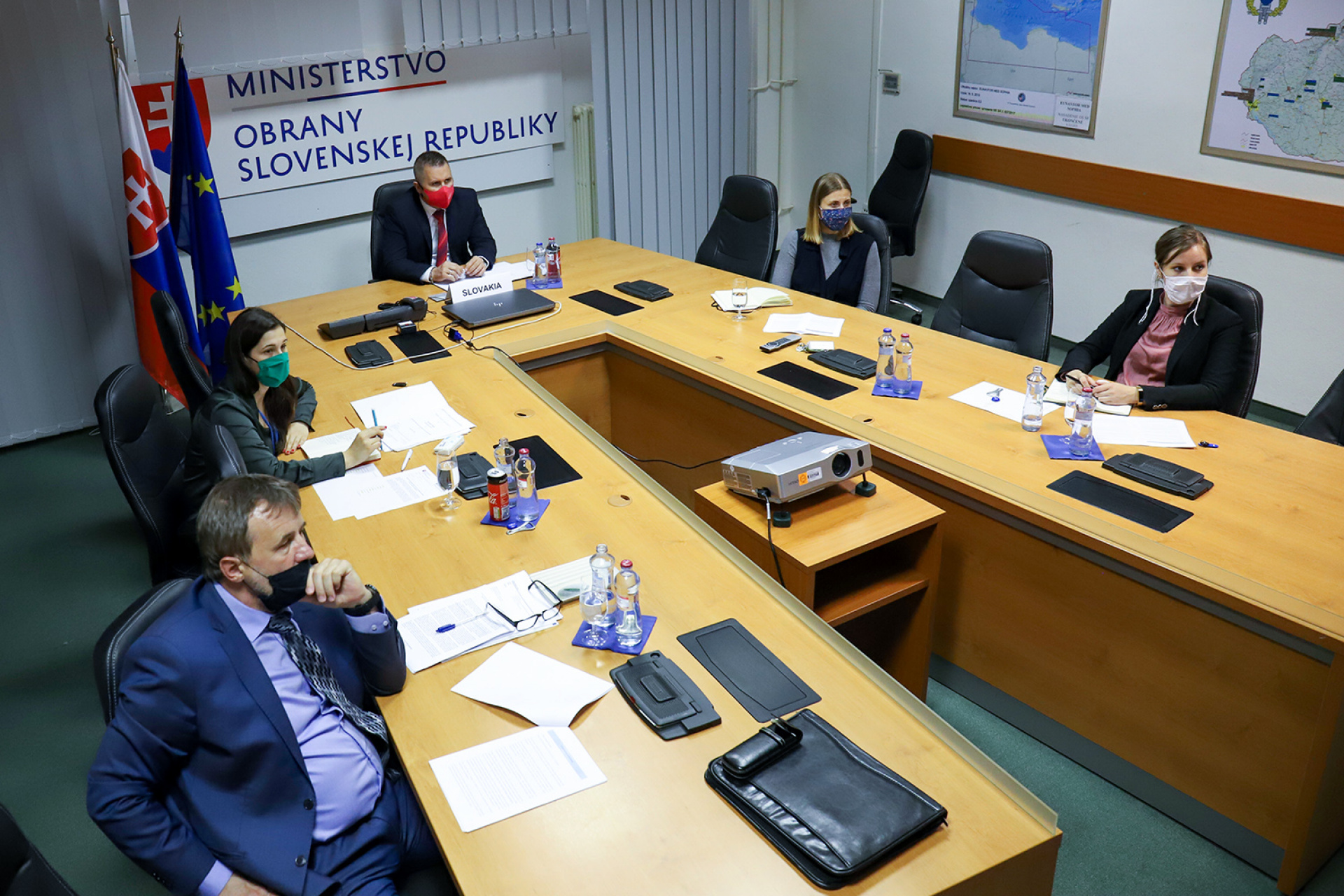
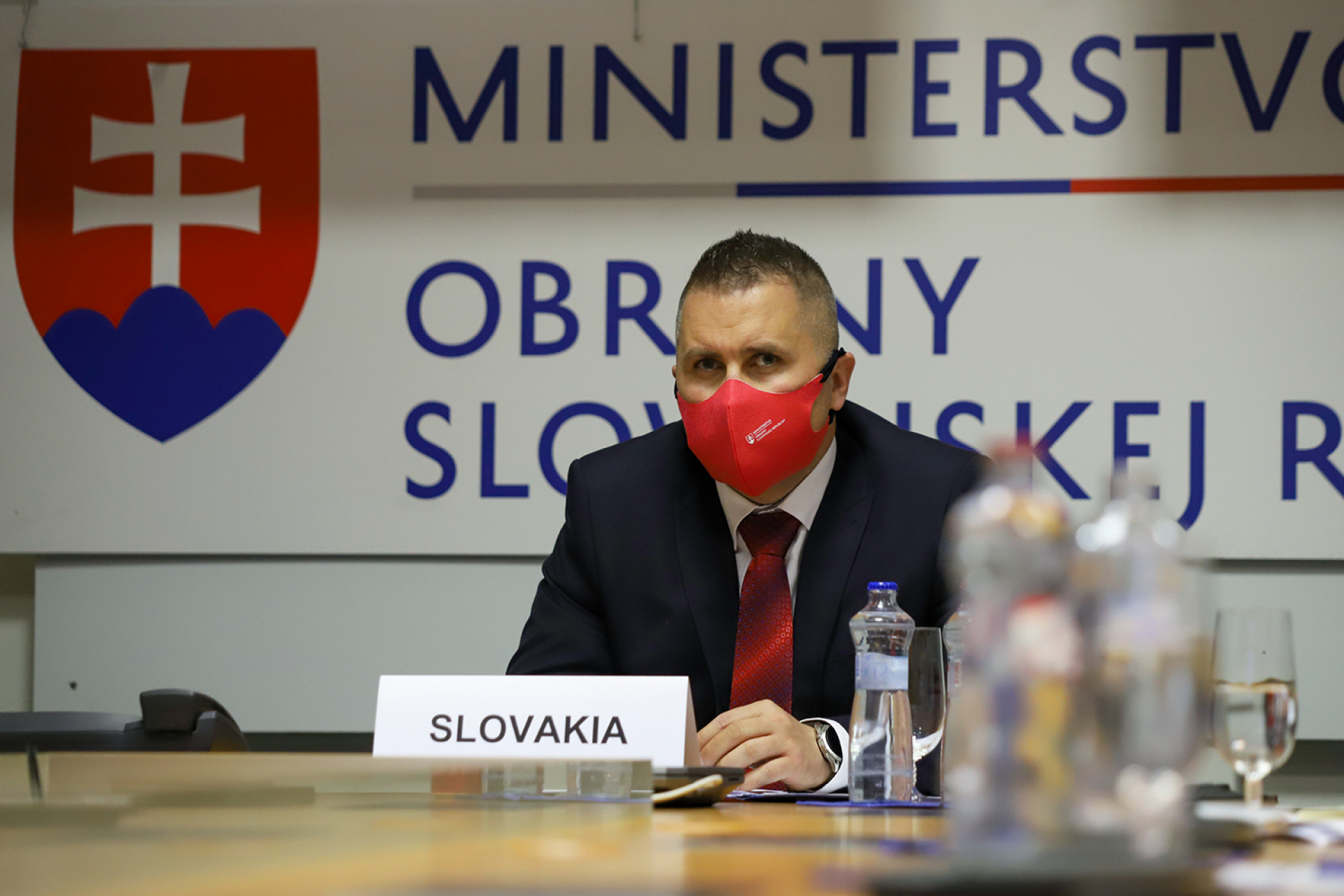
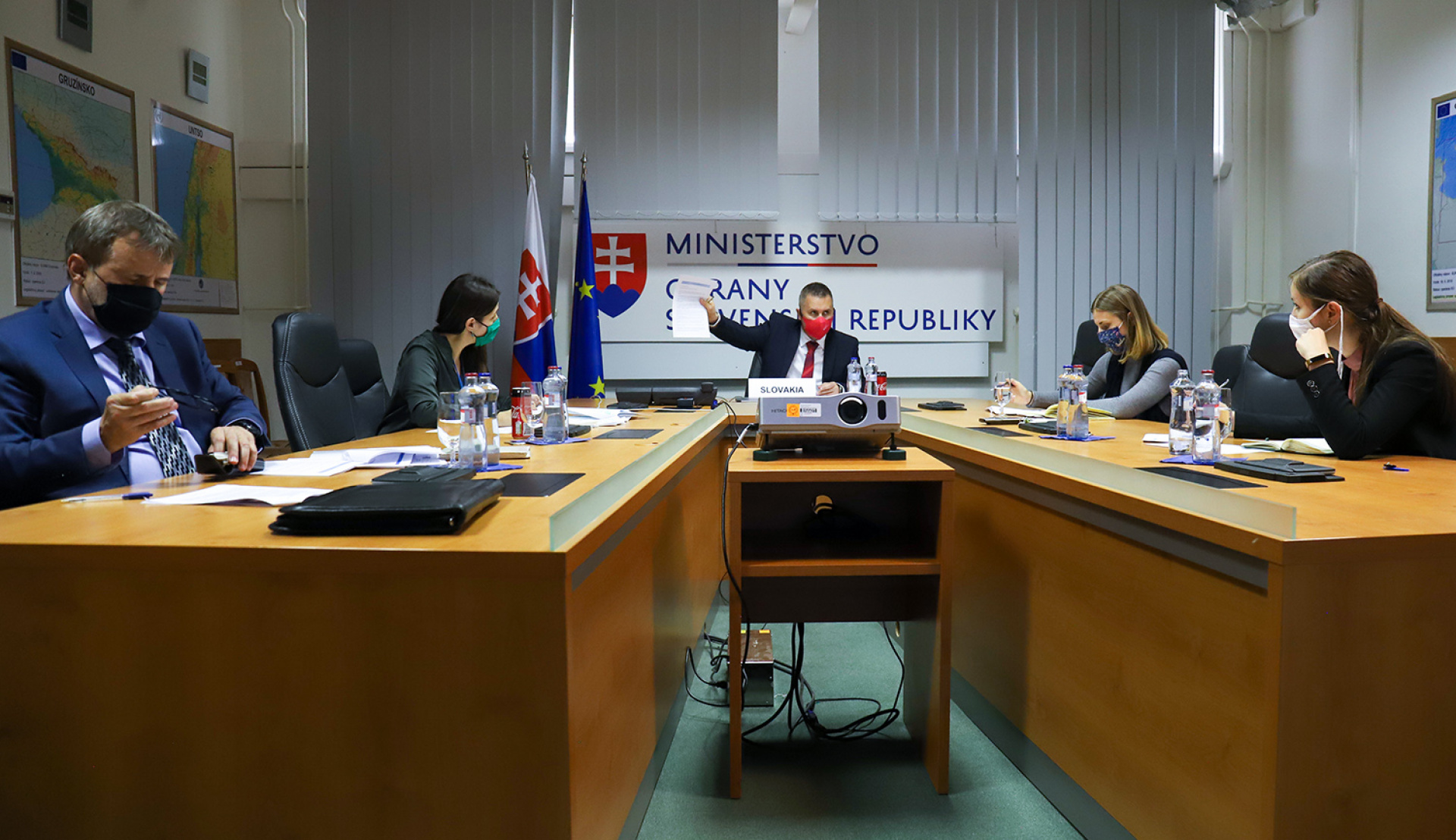
EU Defence Ministers today came together over a video conference call. Central to their discussions were the strategic implications of COVID-19 on defence capabilities, military exercises, crisis management, EU missions and operations, as well as its relevance to hybrid threats. State Secretary of the SVK Ministry of Defence Marian Majer participated in the discussions on behalf of Slovakia.
Speaking during the meeting, State Secretary Marian Majer said: “The ongoing crisis over the COVID-19 pandemic points to the need to develop certain capabilities in areas such as medical support and logistics. That is why we fully support the idea of analysing the shortages in those capabilities.” According to his words, it will be important to identify strategic projects in which all EU Member States may be engaged optimally. “This would lead to establishing an effective, fair and geopolitically balanced division of capabilities,” he added.
Furthermore, Marian Majer reiterated that Slovakia stands behind its commitments towards its partners, even in the light of the ongoing crisis. One of them is to meet the budgetary target of 2% of GDP on defence. Towards this end, in this time of economic recession it is essential to build on strategic communication with the public, enhanced transparency, and the fight against disinformation, he emphasised and underpinned the importance of European tools and projects, e.g. Military Mobility, in restarting economic activities in the critical sectors.
Led by EU High Representative for Foreign Affairs and Security Policy Josep Borrell, today’s meeting was also joined by NATO Secretary General Jens Stoltenberg and UN Under-Secretary-General for Peacekeeping Operations Jean-Pierre Lacroix. Options for deepening defence and security engagements were the subject of discussion too. “The pandemic has demonstrated the key importance of strengthening civil-military cooperation and readiness. That is why we unequivocally welcome closer cooperation with our partners from the European Union and its cooperation with NATO and the UN,” he summarised. He can also see opportunities for stepping up cooperation on EU missions and operations as much as on joint military exercises and mechanisms in response to a crisis similar to the one the world faces today.