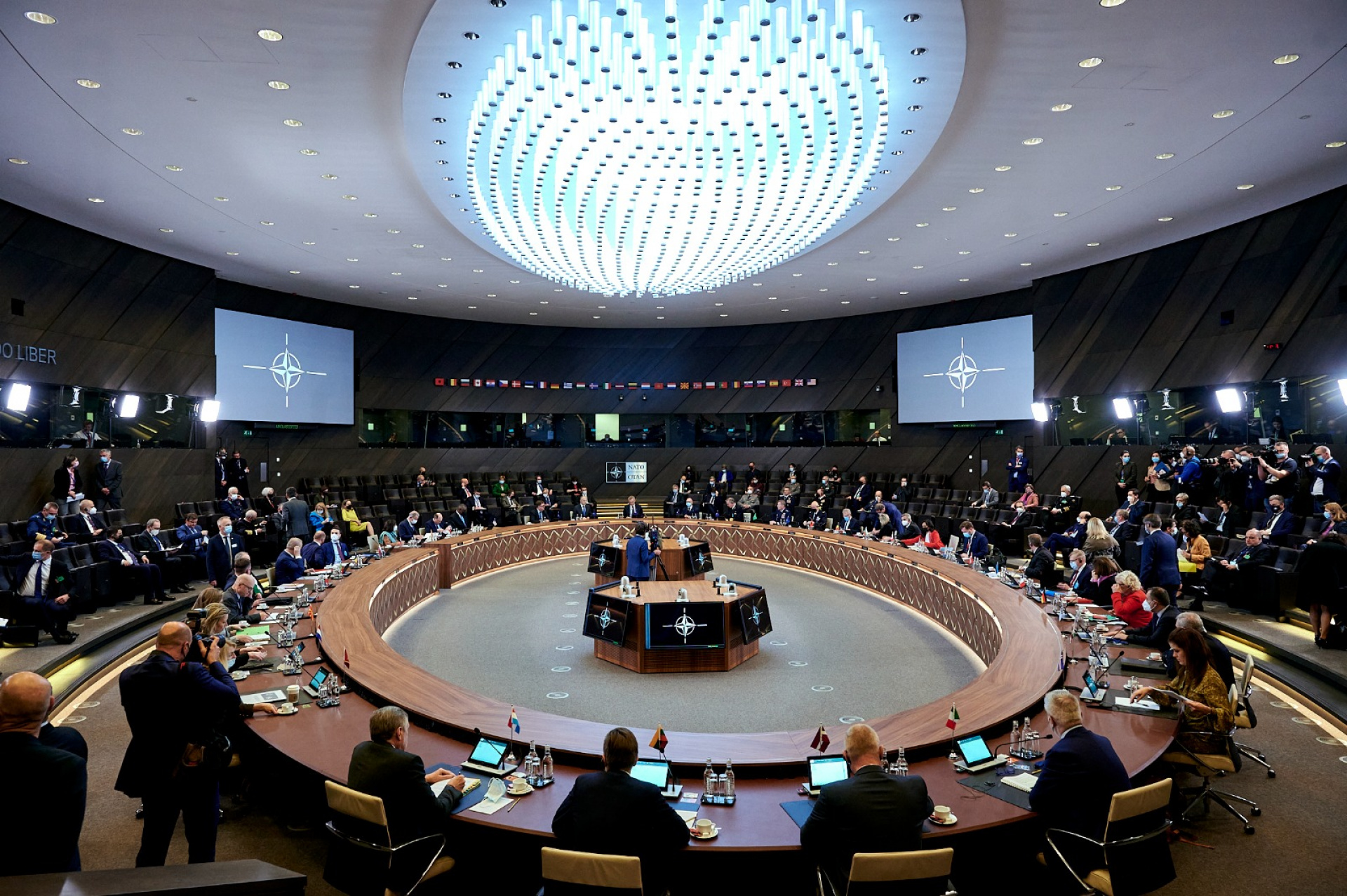
NATO Defence Ministers meet in Brussels to discuss the situation on Ukraine's border with Russia and strengthening the Alliance's eastern flank
- Author:
- Photo:
- Date: 17.02.2022
- Share: Zdieľať na Facebook
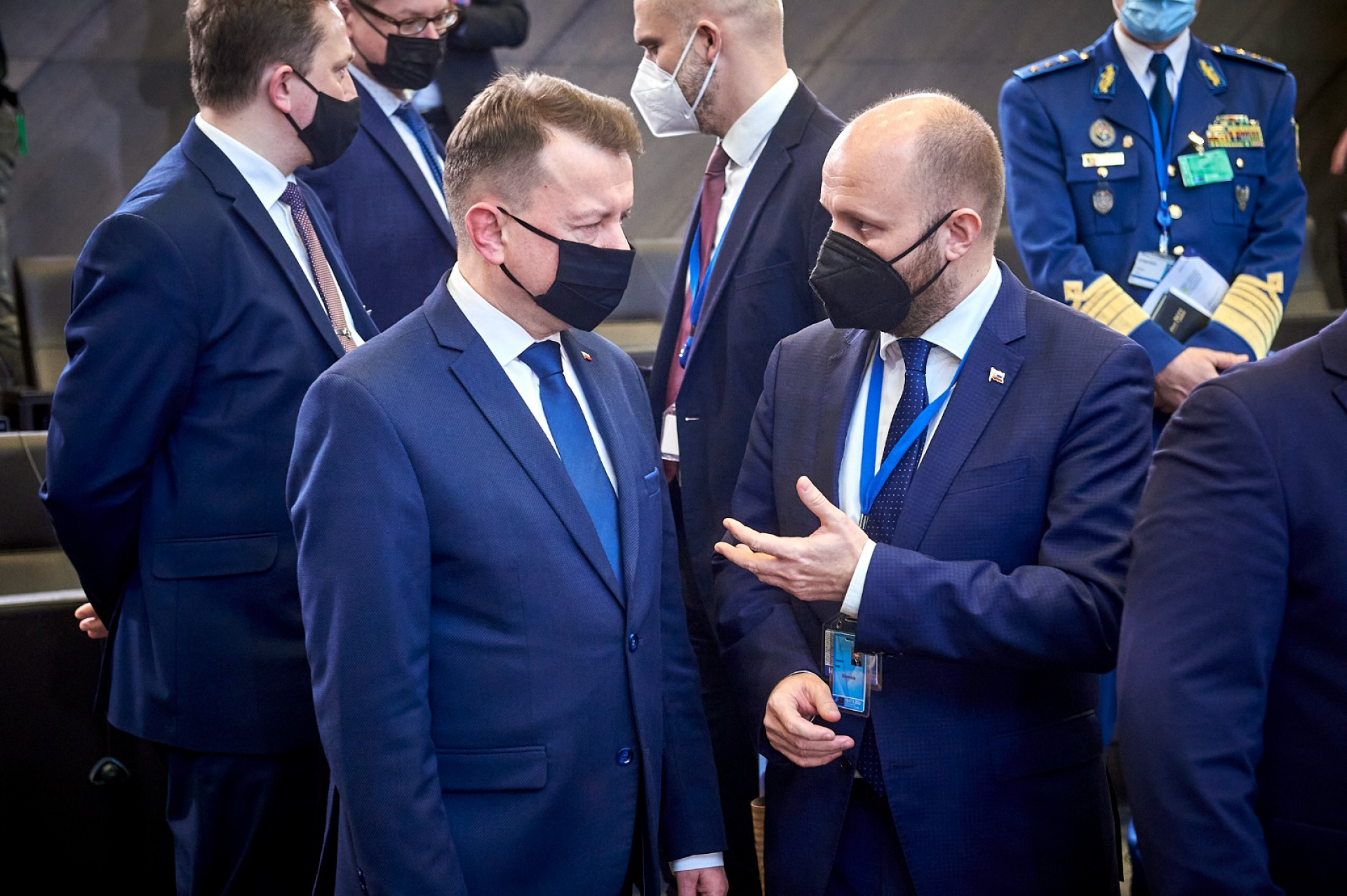
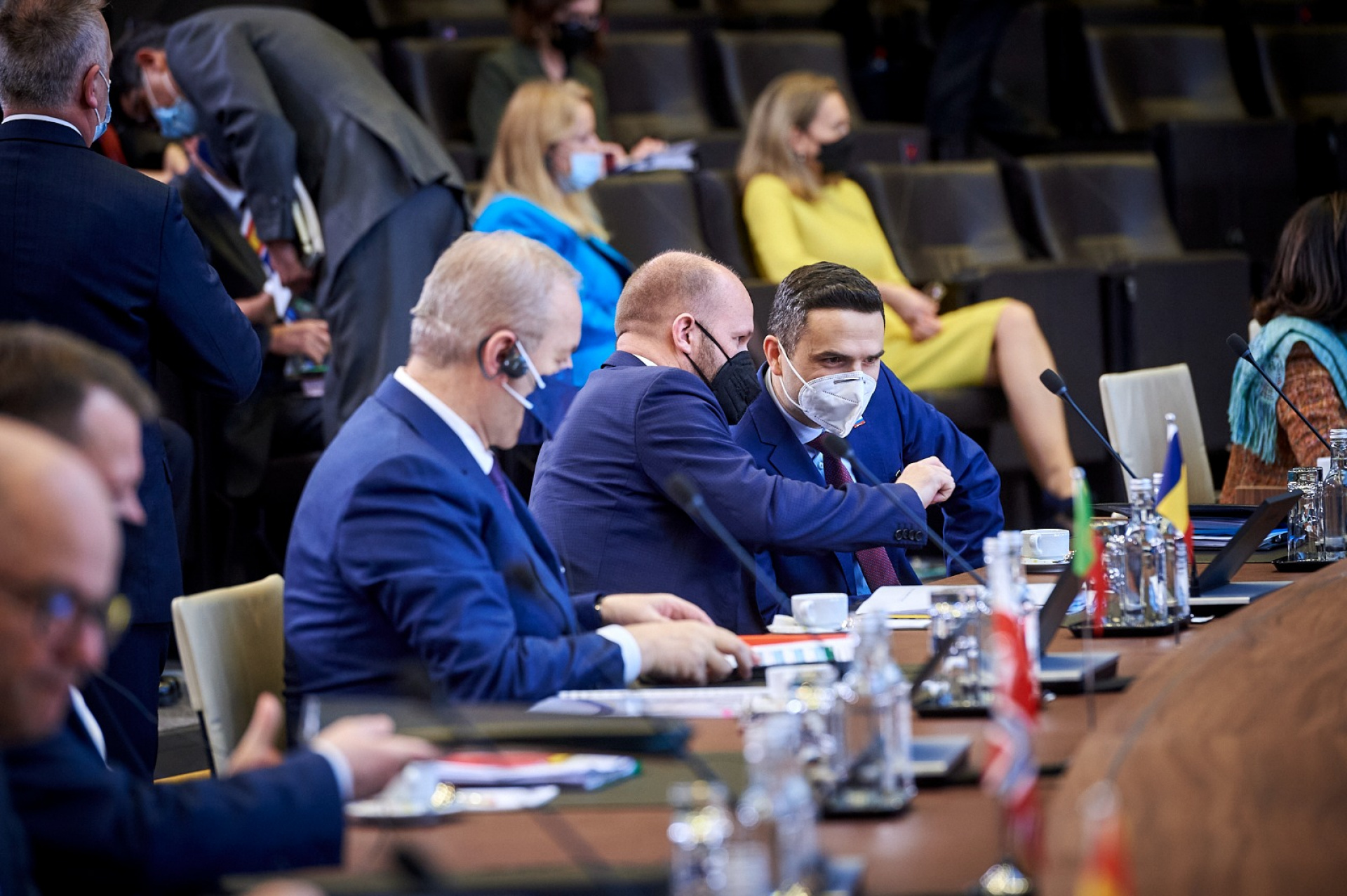
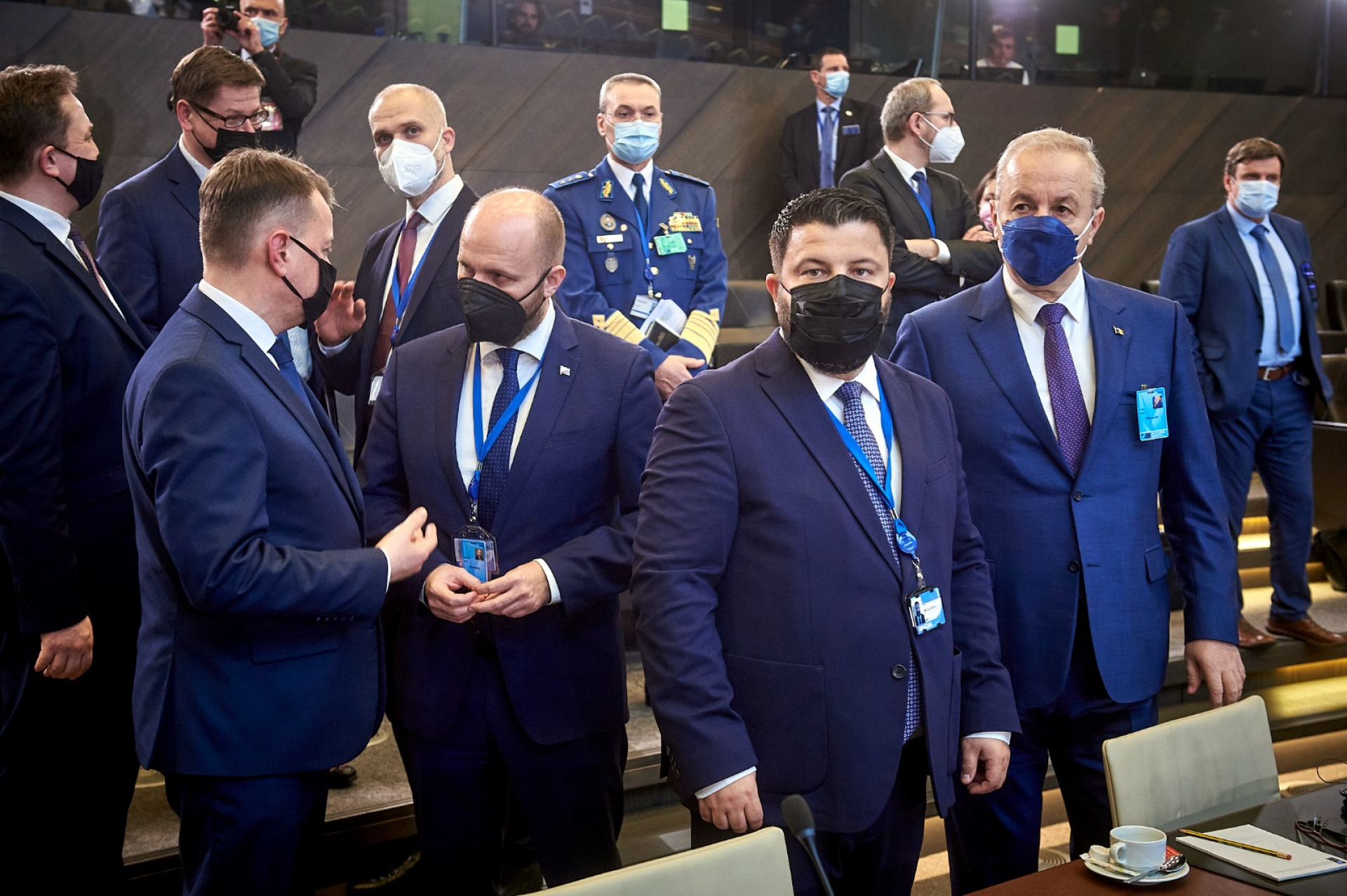
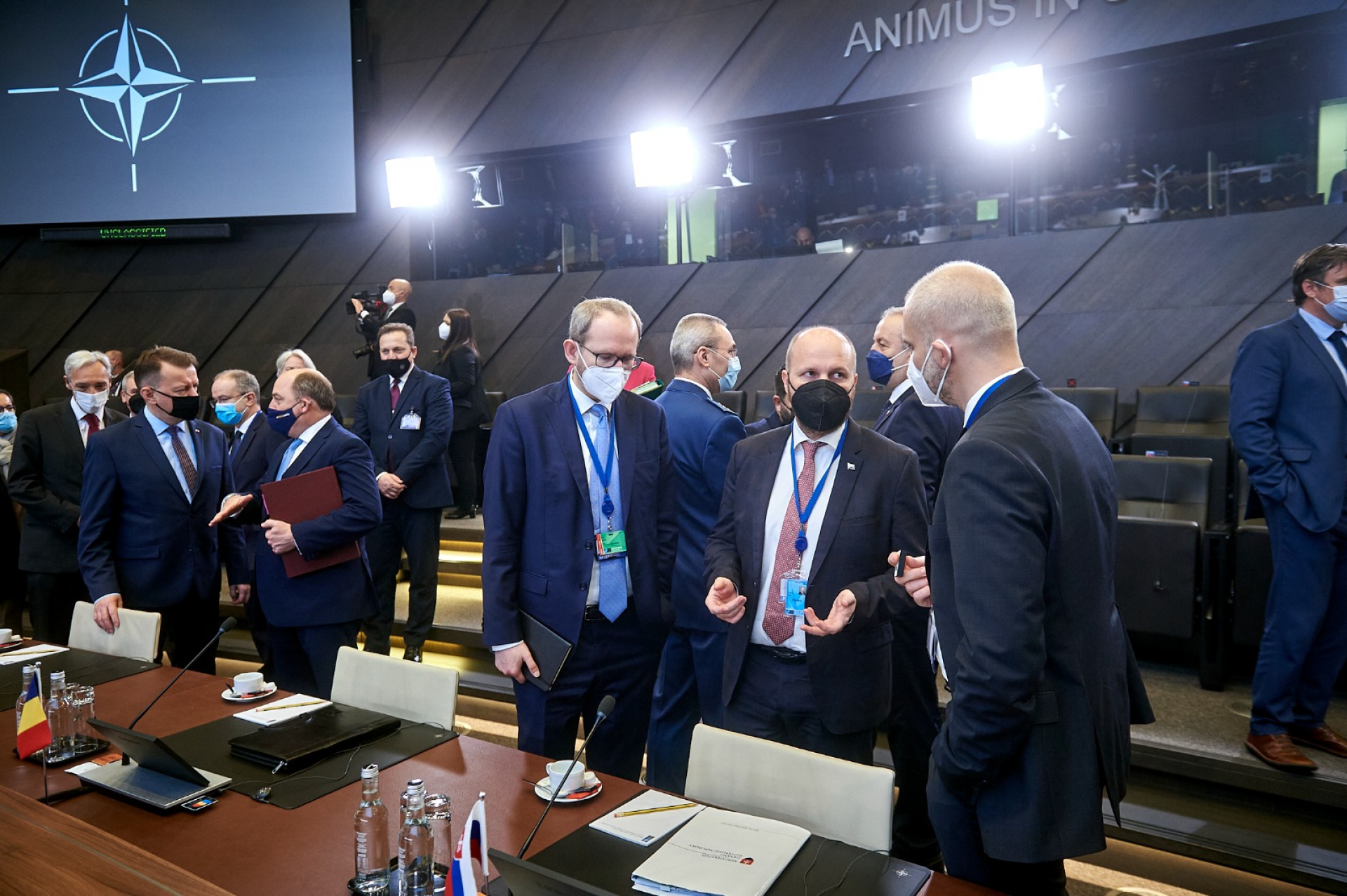
Over the past two days, Defence Minister Jaroslav Naď along with other NATO Defence Ministers have taken part in a regular Defence Ministerial in Brussels. The Russia-Ukraine stand-off and the therewith associated need to strengthen the readiness of the Alliance, including its military presence along NATO's eastern flank, were put as a central theme on the agenda. Also in attendance at the meeting were the defence ministers of Ukraine and Georgia.
Defence Minister Jaroslav Naď said: “NATO Member States are closely and attentively monitoring the risk of the potential Russian aggression, and in response to this, they are ramping up their readiness. That’s why at the meeting we’ve tasked NATO military bodies with elaborating on options for bolstering the Alliance’s defences – including those on its eastern flank of which Slovakia forms part. Because NATO as a defence alliance must foresee and plan measures even for a scenario which is worse than the one we can anticipate.”
The head of the MOD underlined that a sovereign decision by any NATO member state on the strengthening of military presence is always and only for the individual country to take, depending on whether it requests assistance from Allies or it can get by on itself. “As far as we are concerned, we are closely following and assessing the unfolding security situation. We must reckon with every scenario and we are ready to adopt adequate measures in consultation with our Allies and in accordance with our national decision-making process,” added Mr Naď.
According to Minister Naď, all these measures are being implemented in response to the Russian Federation's activity on the border of Ukraine and Belarus, especially to Russia's non-transparent and unexplained military build-up. “We want to have a constructive and open relationship with Russia. Dialogue is the best tool for preventing conflicts and misunderstandings and sharing concerns and objections against the action taken by the other side. It is important we keep our diplomatic options for negotiations still open – whether it be at the NATO-Russia Council, at the OSCE or bilaterally with the USA,” he said.
During the talks in Brussels, NATO Defence Ministers paid close attention to the new NATO Strategic Concept and energy security in connection with gas supplies from the Russian Federation. “The current developments point to how vitally important our EU and NATO membership is. We are engaged in intense discussions with our allies and partners and are closely coordinating our steps – in a joint, unified and responsible manner,” reassured Mr Naď.
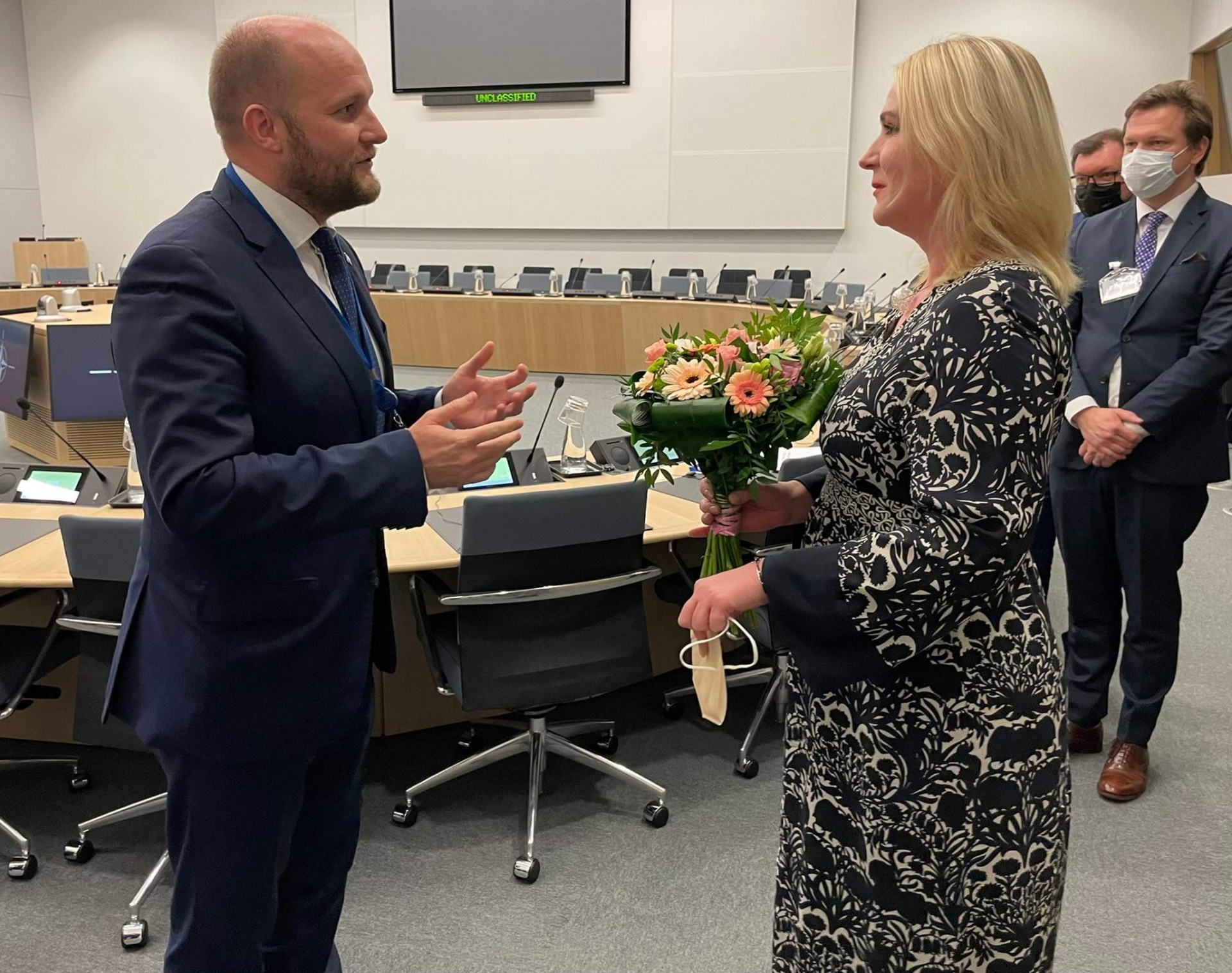
At the invitation of French Minister for the Armed Forces Madame Florence Parly, Minister Naď took part in a working dinner. He also held bilateral talks with his partners from Czechia, Canada, Finland and Bulgaria, as well as meeting with representatives of the nations contributing to NATO's enhanced Forward Presence (eFP) in Latvia.